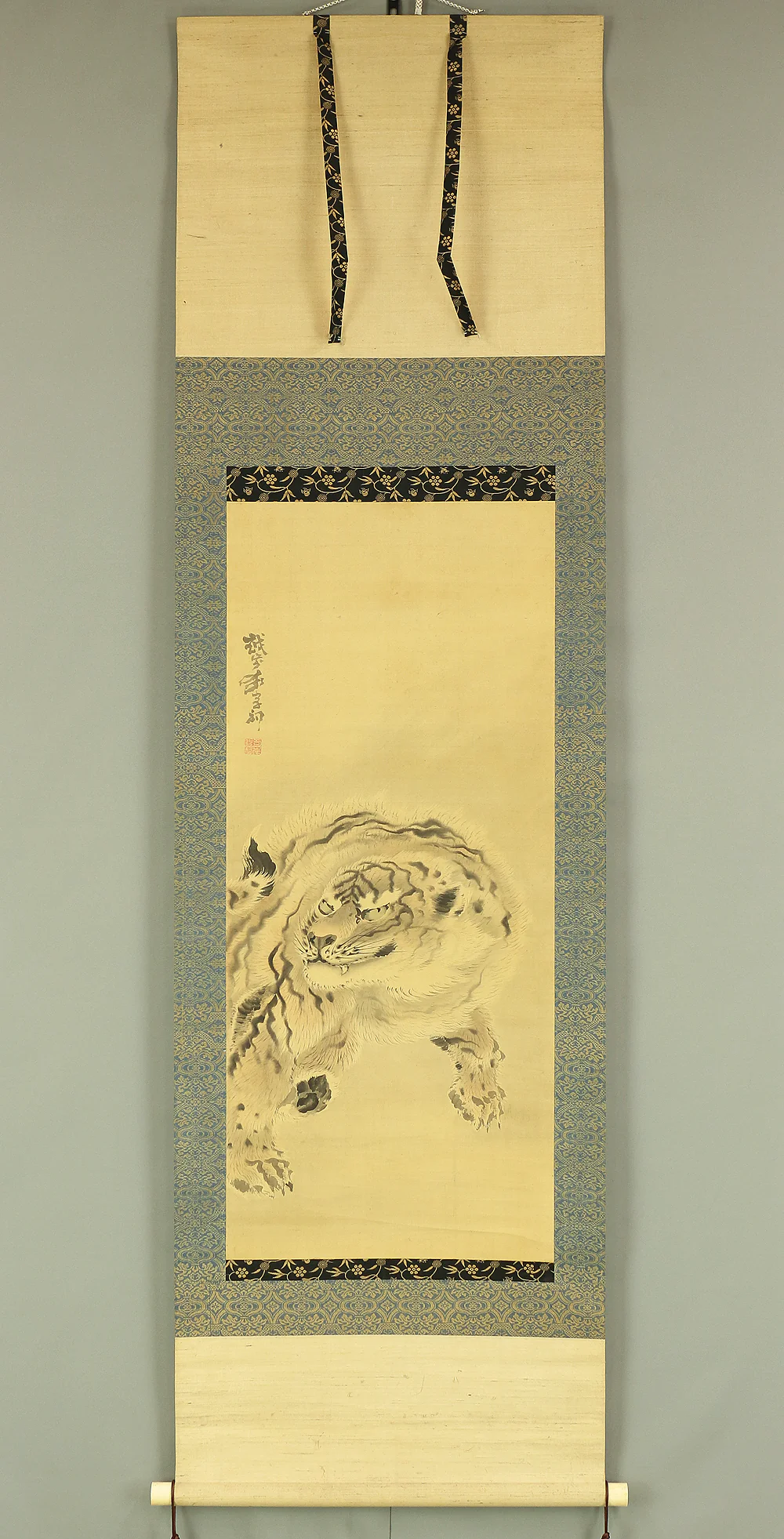
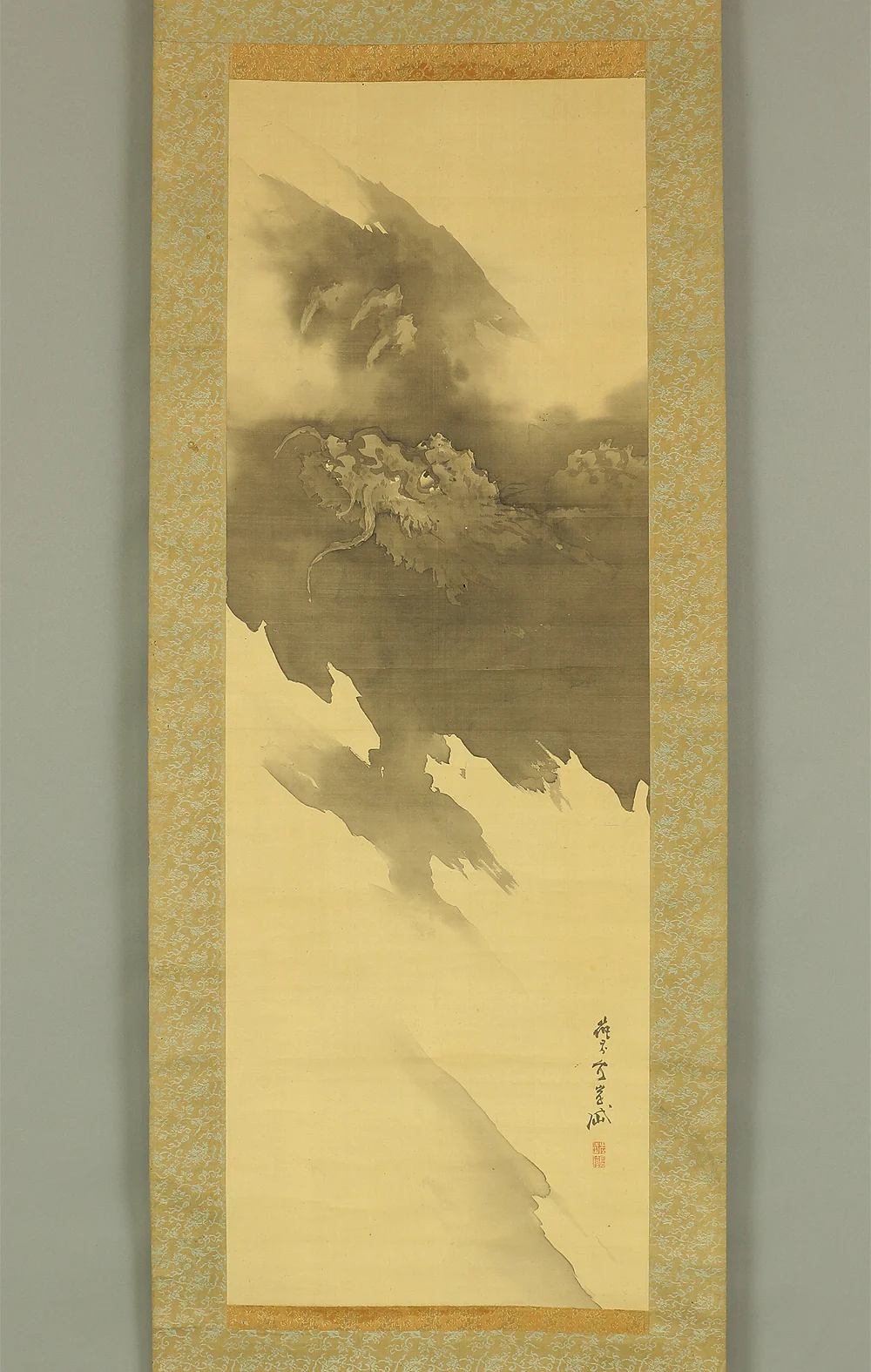
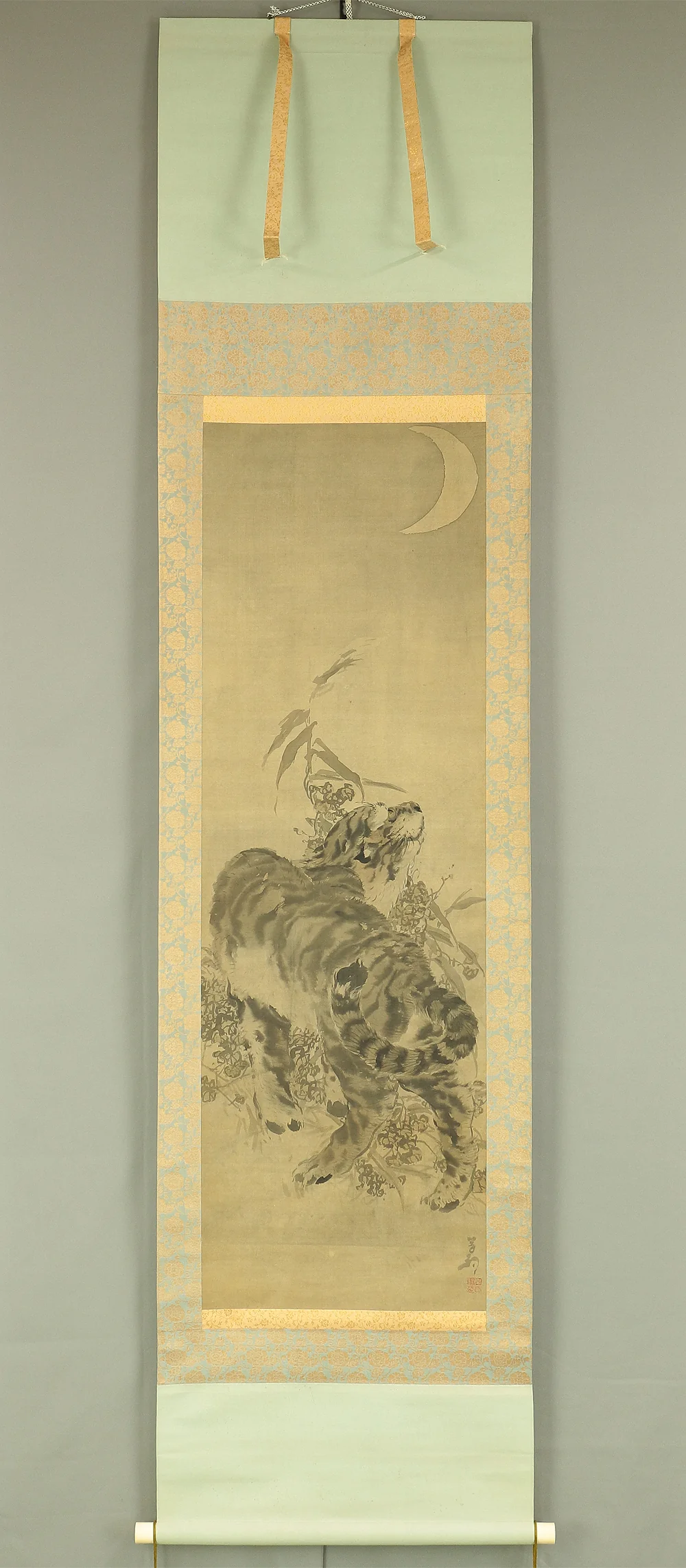
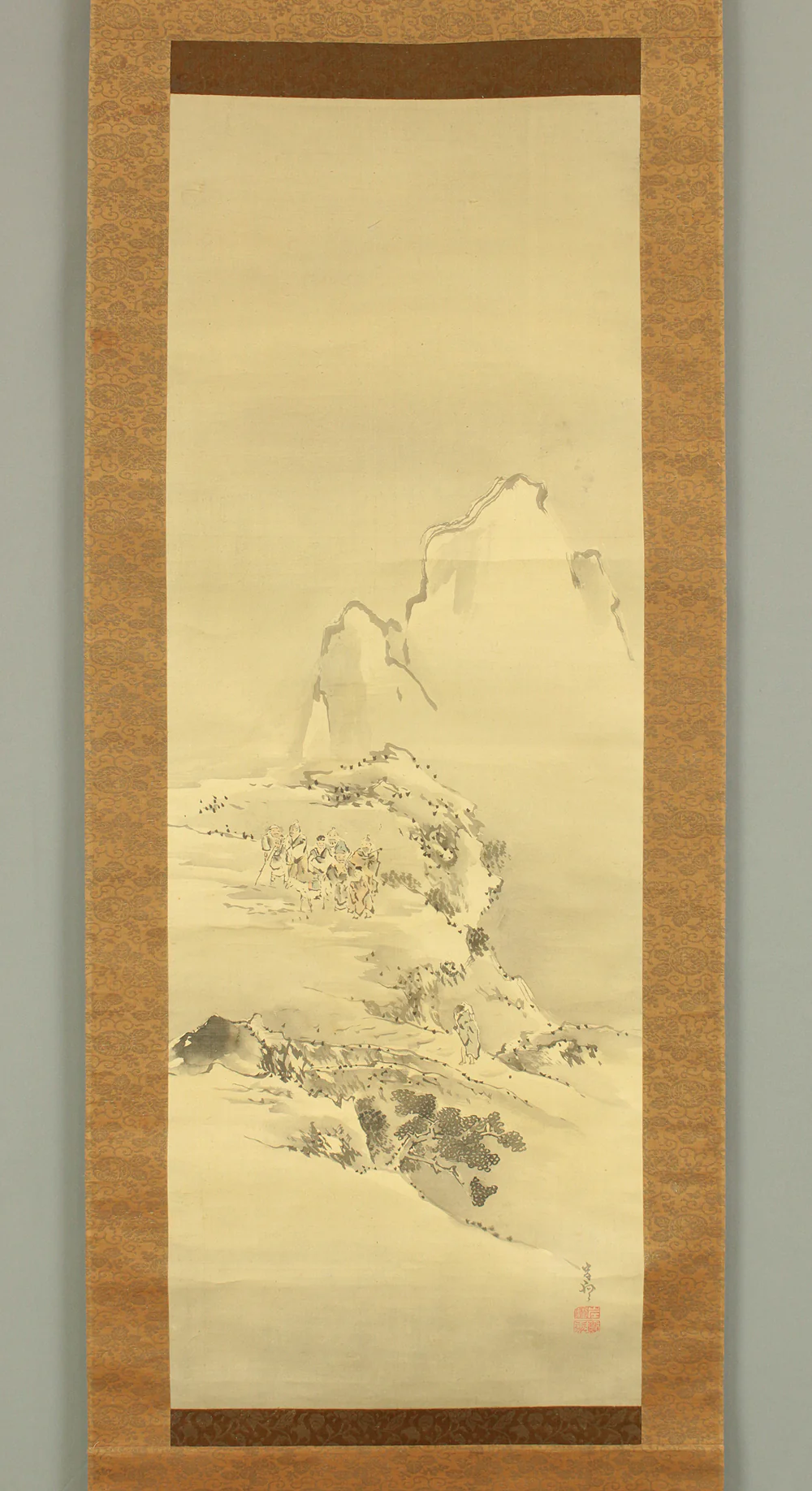
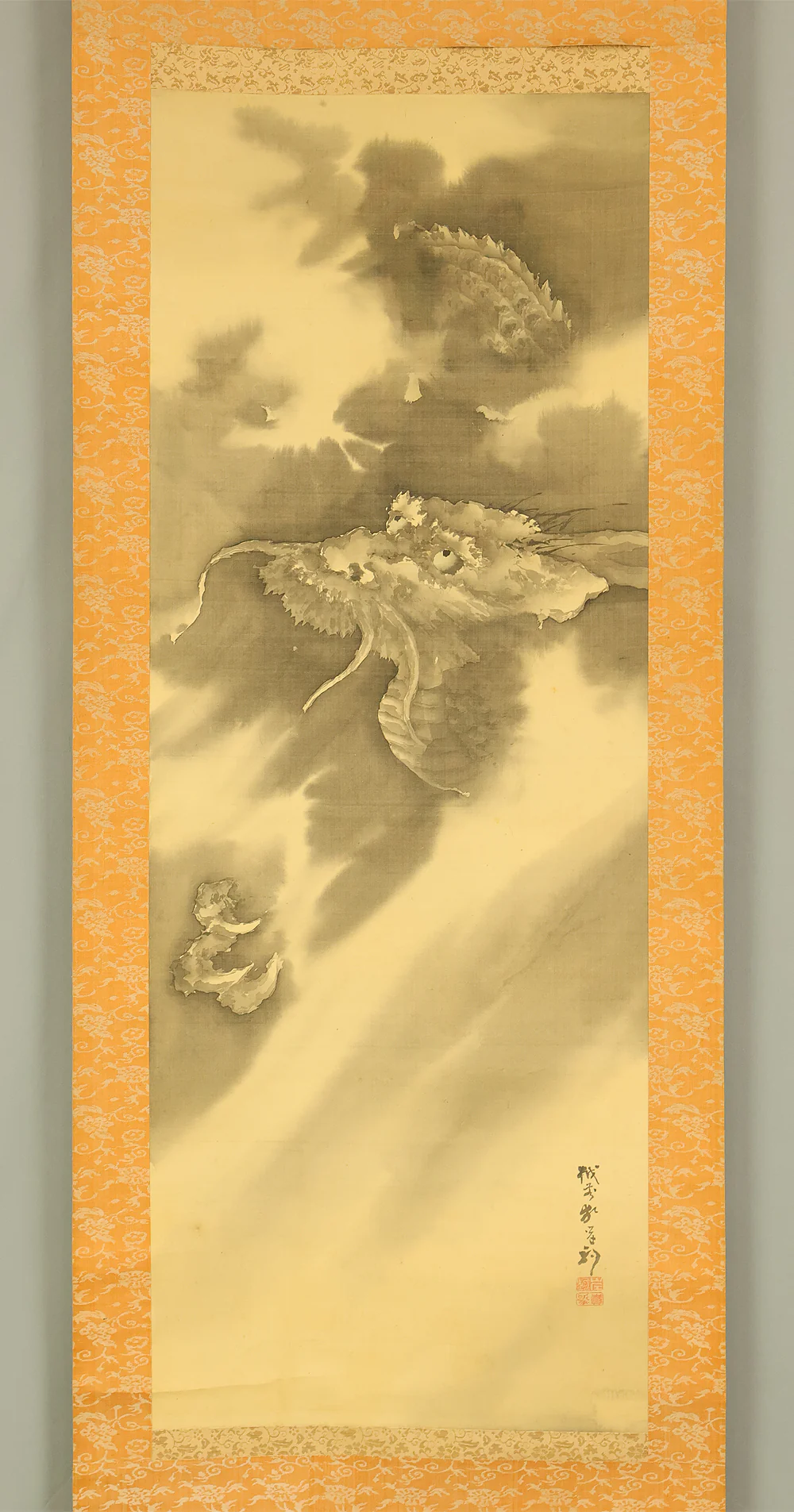
岸駒 Ganku (1749-1838) Japanese art a set of three kakejiku kakemono wall hanging scrolls / Jurojin (God of longevity), Dragon, and Tiger with Box RD815
岸駒 Ganku (1749-1838) Japanese art a set of three kakejiku kakemono wall hanging scrolls / Jurojin (God of longevity), Dragon, and Tiger with Box RD815
The Story
Description
岸駒 Ganku (1749-1838) Japanese art a set of three kakejiku kakemono wall hanging scrolls / Jurojin (God of longevity), Dragon, and Tiger with Box RD815
岸駒 Ganku (1749-1838)
Painter of the late Edo period. Founder of the Kishi school. Born into a merchant family in Kanazawa, Kaga. Because he was poor, he learned to write characters from the signboards of the merchant's house and also learned to paint by himself. He first studied painting in the Kano school and later taught himself the styles of the Shin-Nanpin and Maruyama schools. He blended the painting styles of the various schools to create a fusion of expressiveness and ornamentation and developed his own unique style of sketchy painting with a strong sense of humor. He was especially good at depicting birds and animals, especially tigers. He painted the walls of the Imperial Palace in Kyoto and Kanazawa Castle. He formed the Kishi School and trained many students.
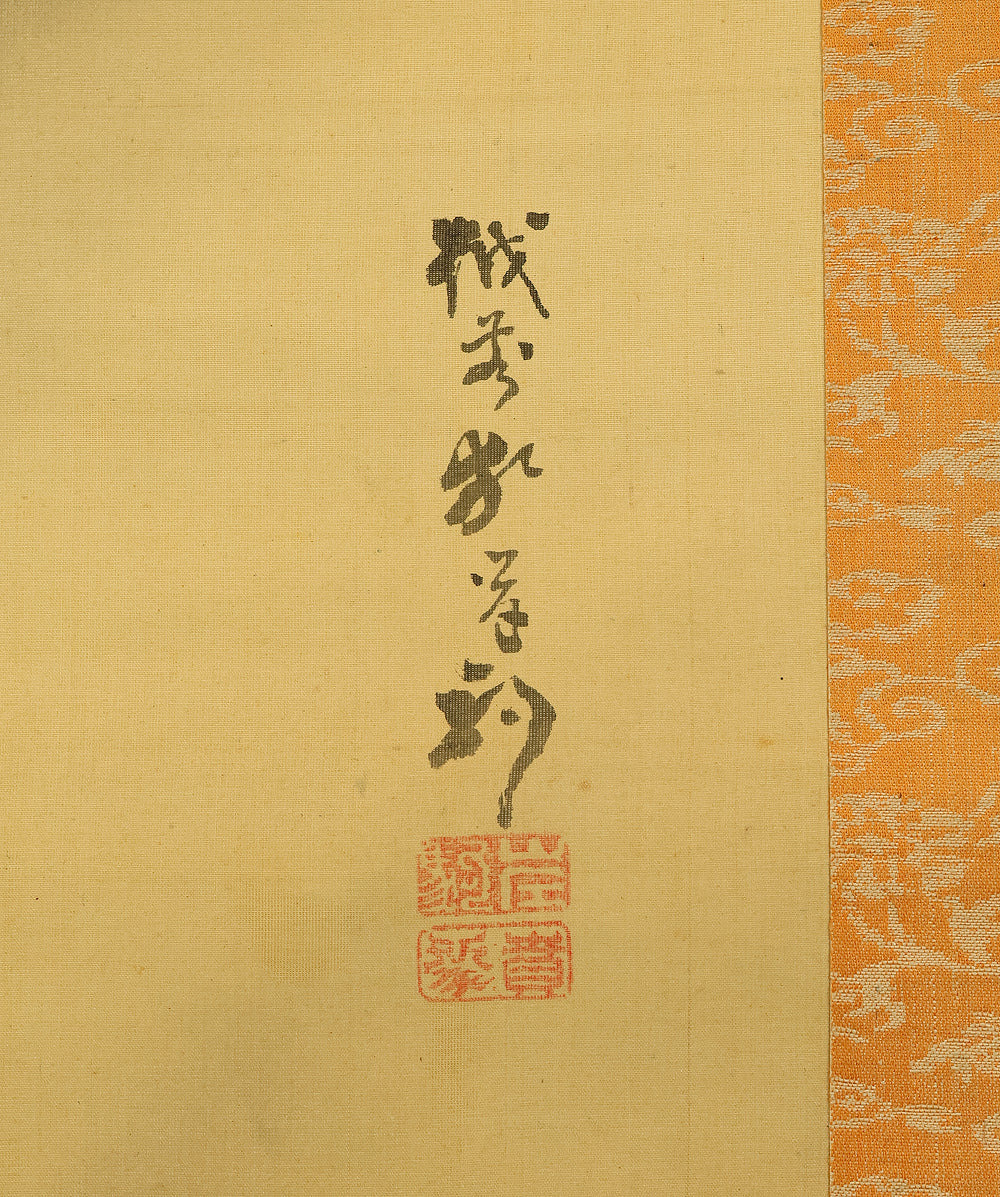
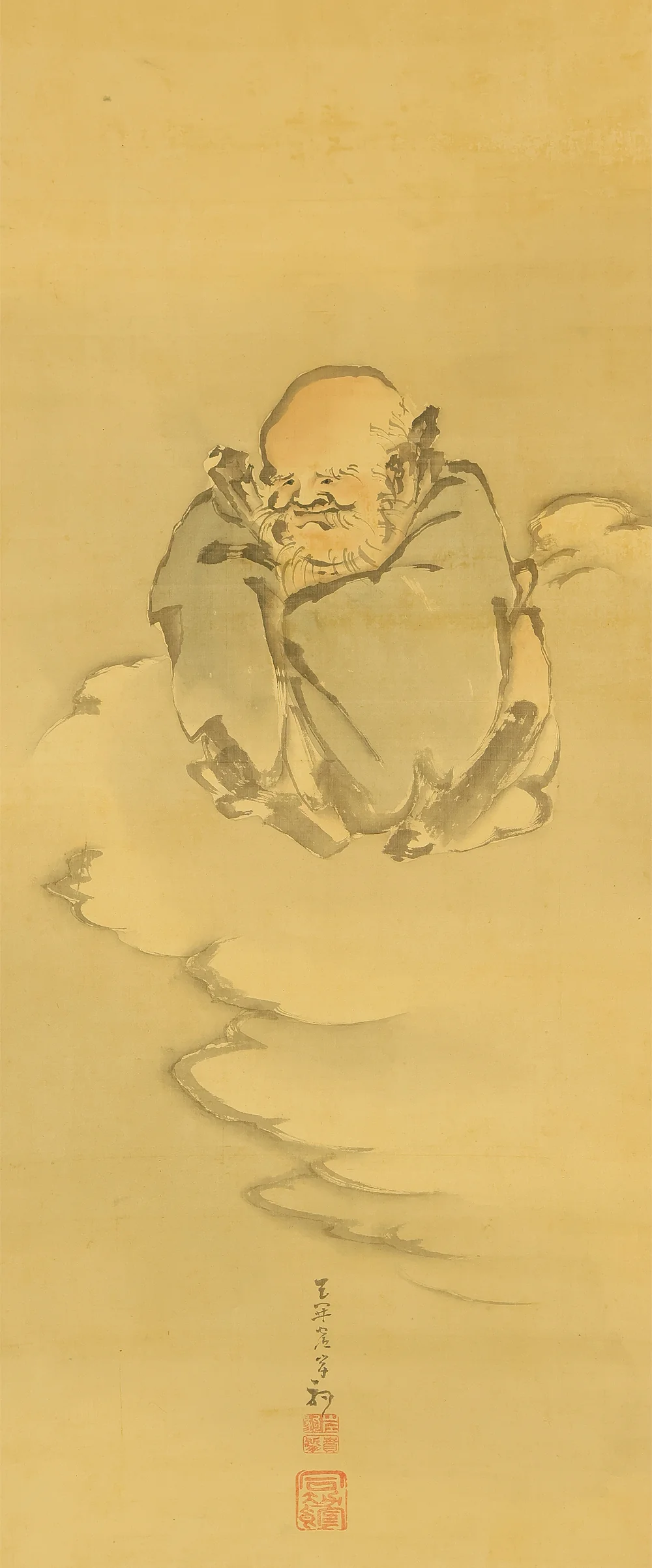
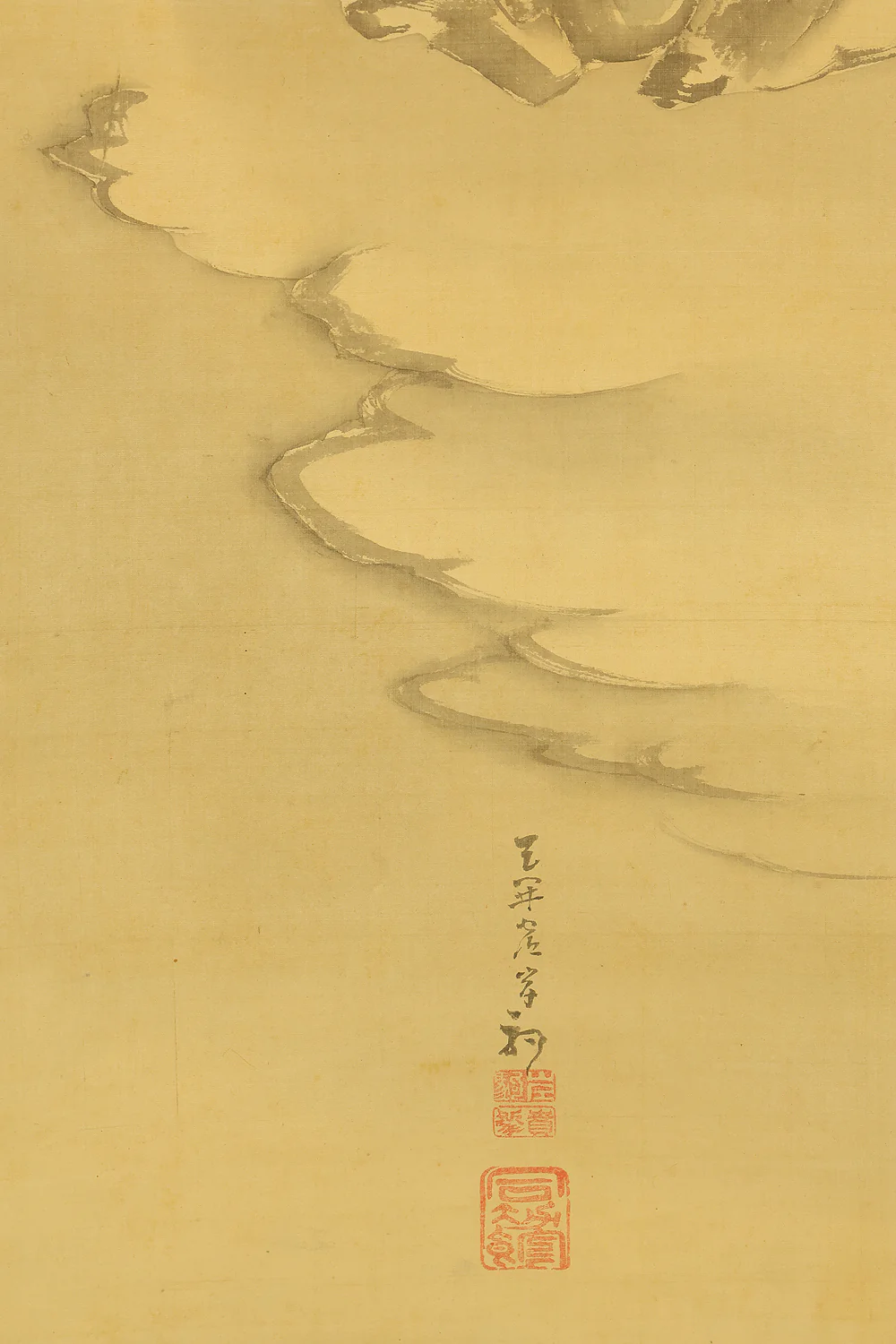
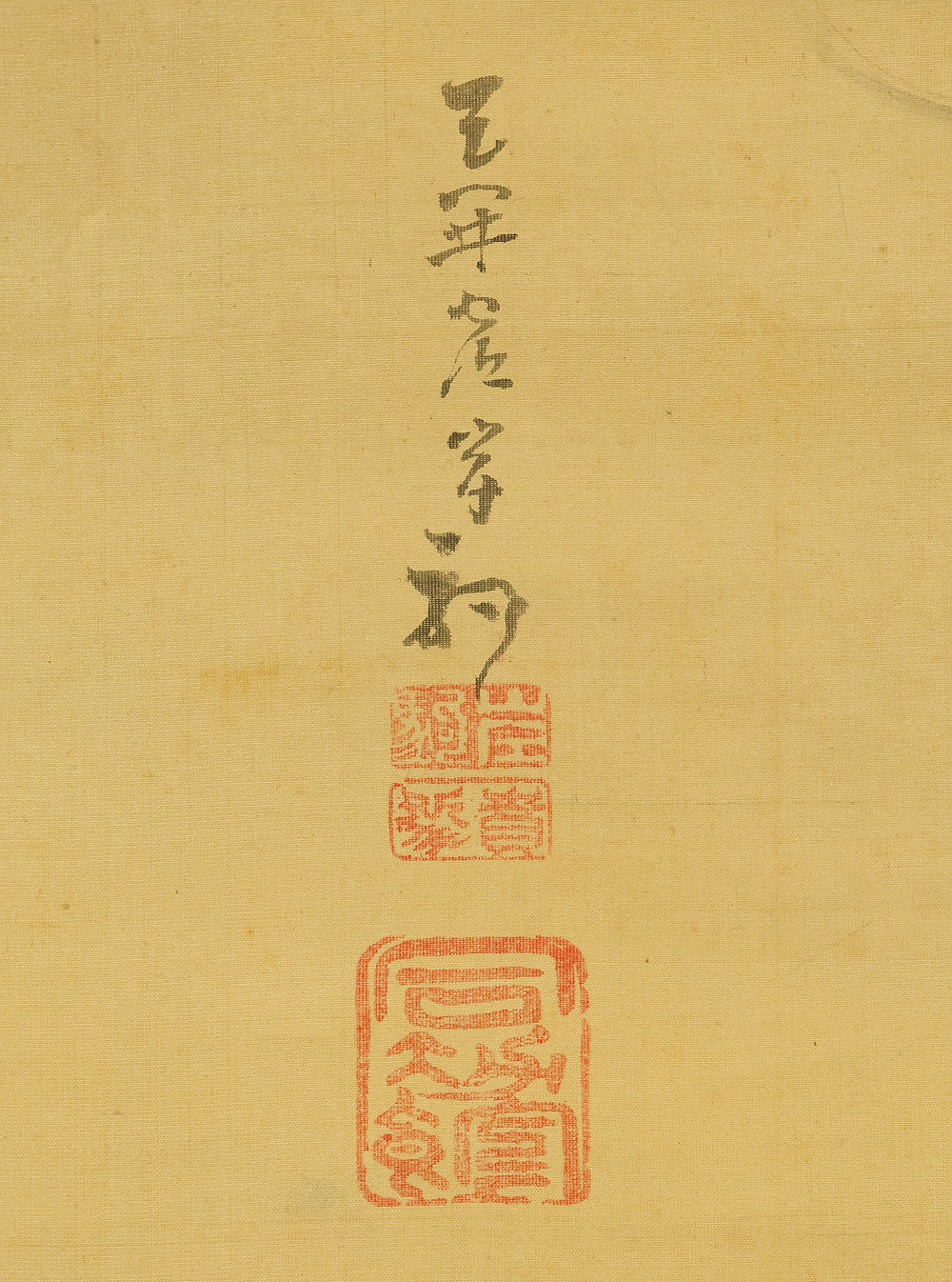
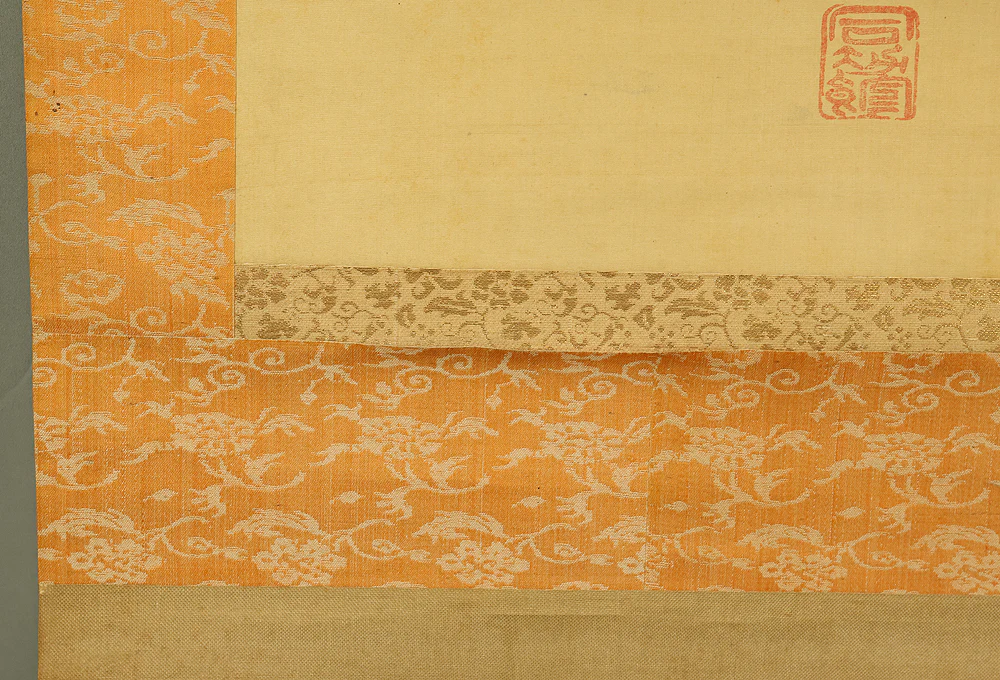
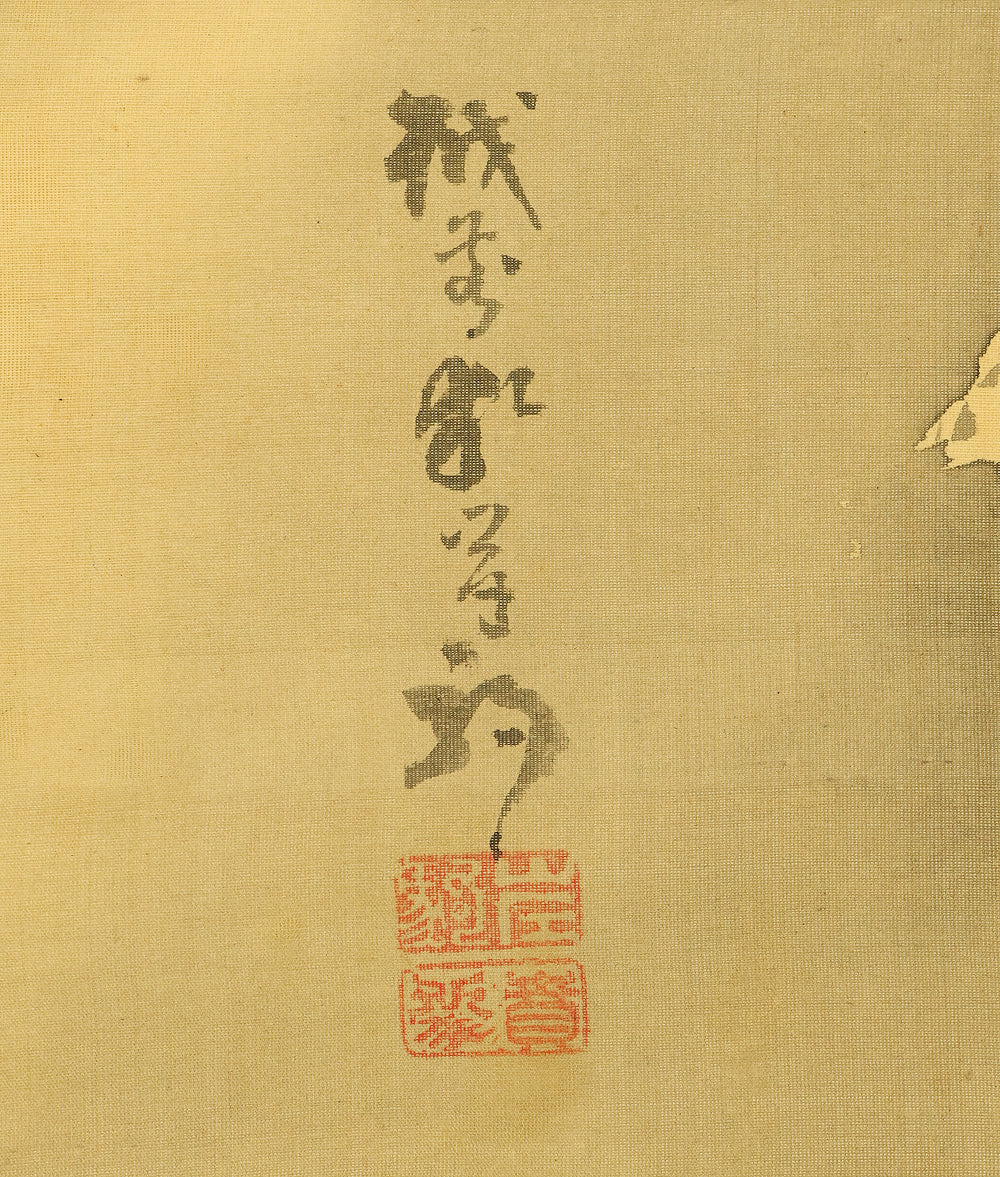
with signature 'Echizen no kami Ganku' 越前守岸駒 and seal 'Ganku' 岸駒 'Hizen' 賁然
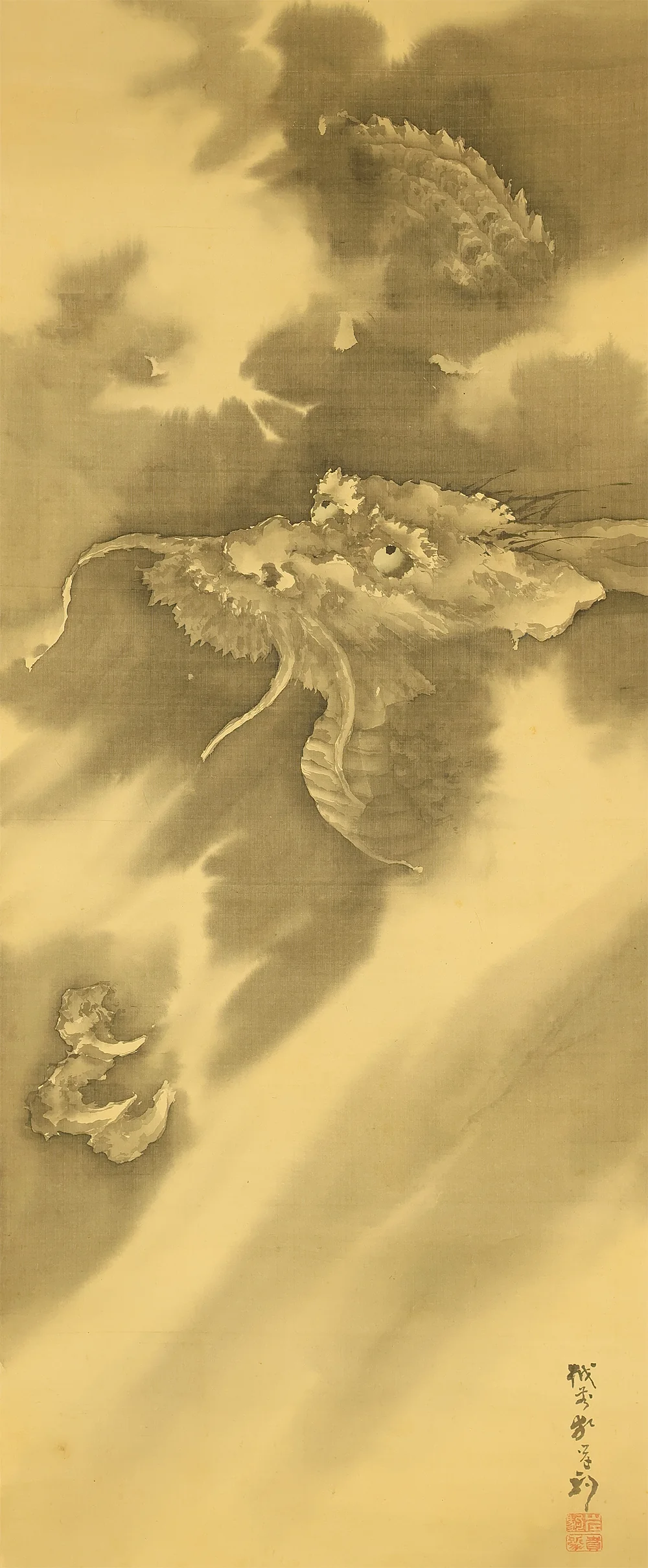
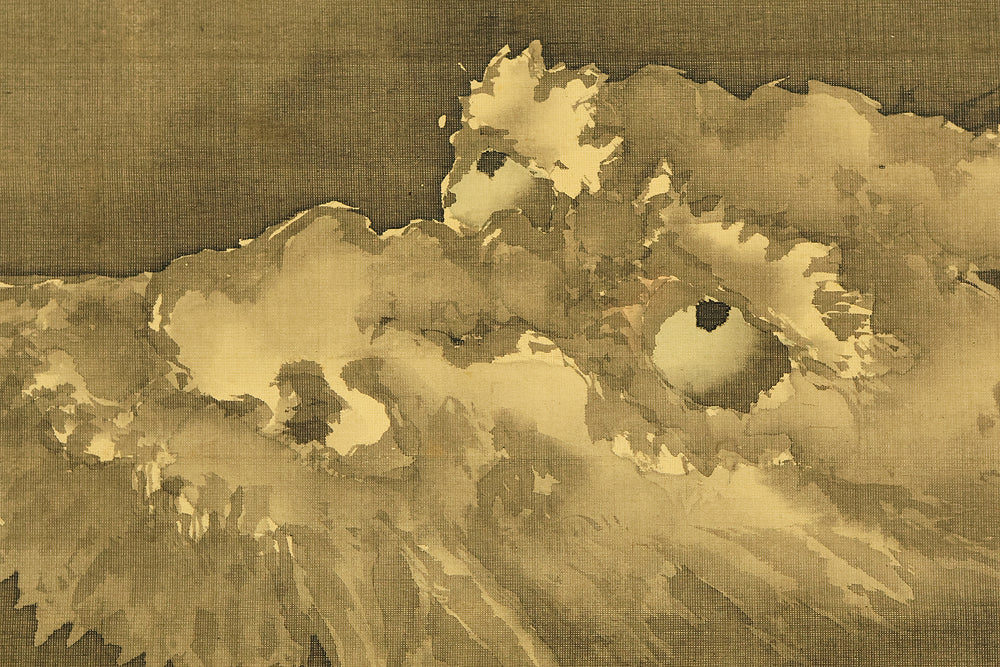
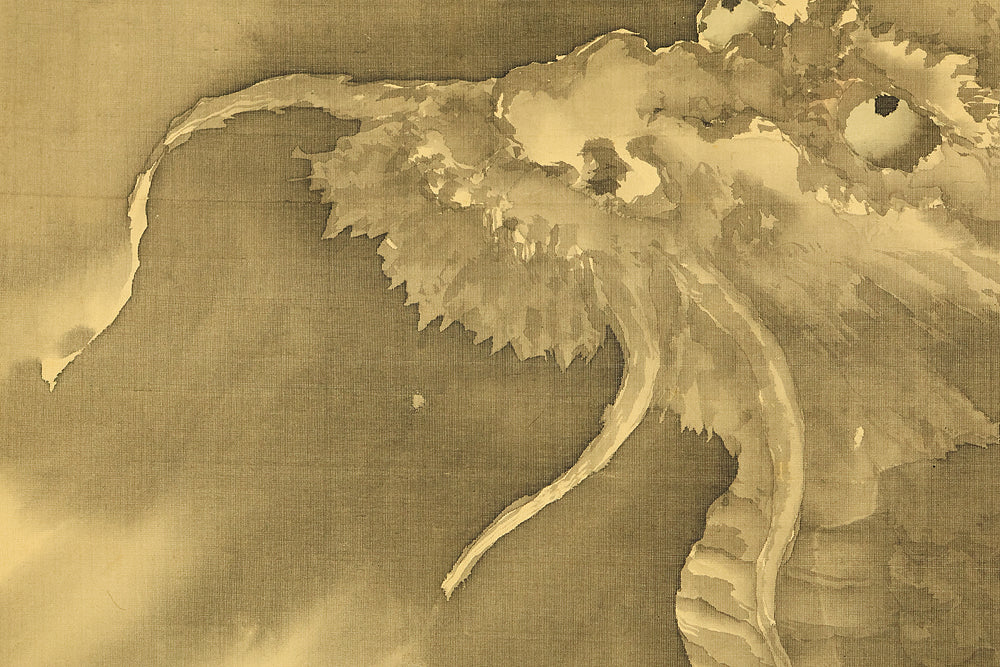
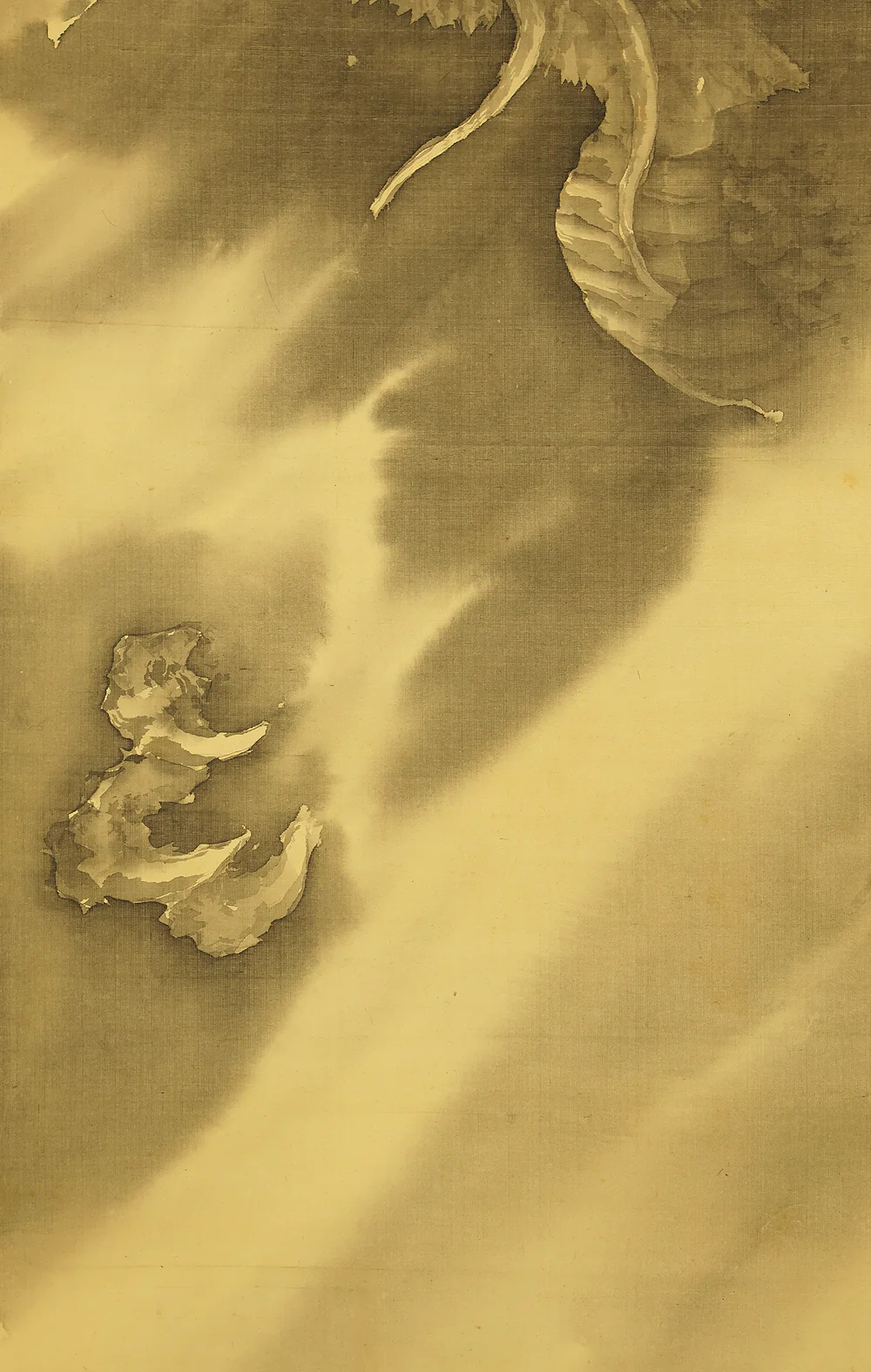
This exceptional set of three Japanese hanging scrolls (triptych) features dynamic ink paintings of a dragon, Jurōjin (the god of longevity), and a tiger, masterfully rendered by Ganku (岸駒, 1749–1838), one of the most celebrated painters of the Edo period. Known for his bold brushwork and lifelike animal depictions, Ganku was a court painter and founder of the Kishi school.
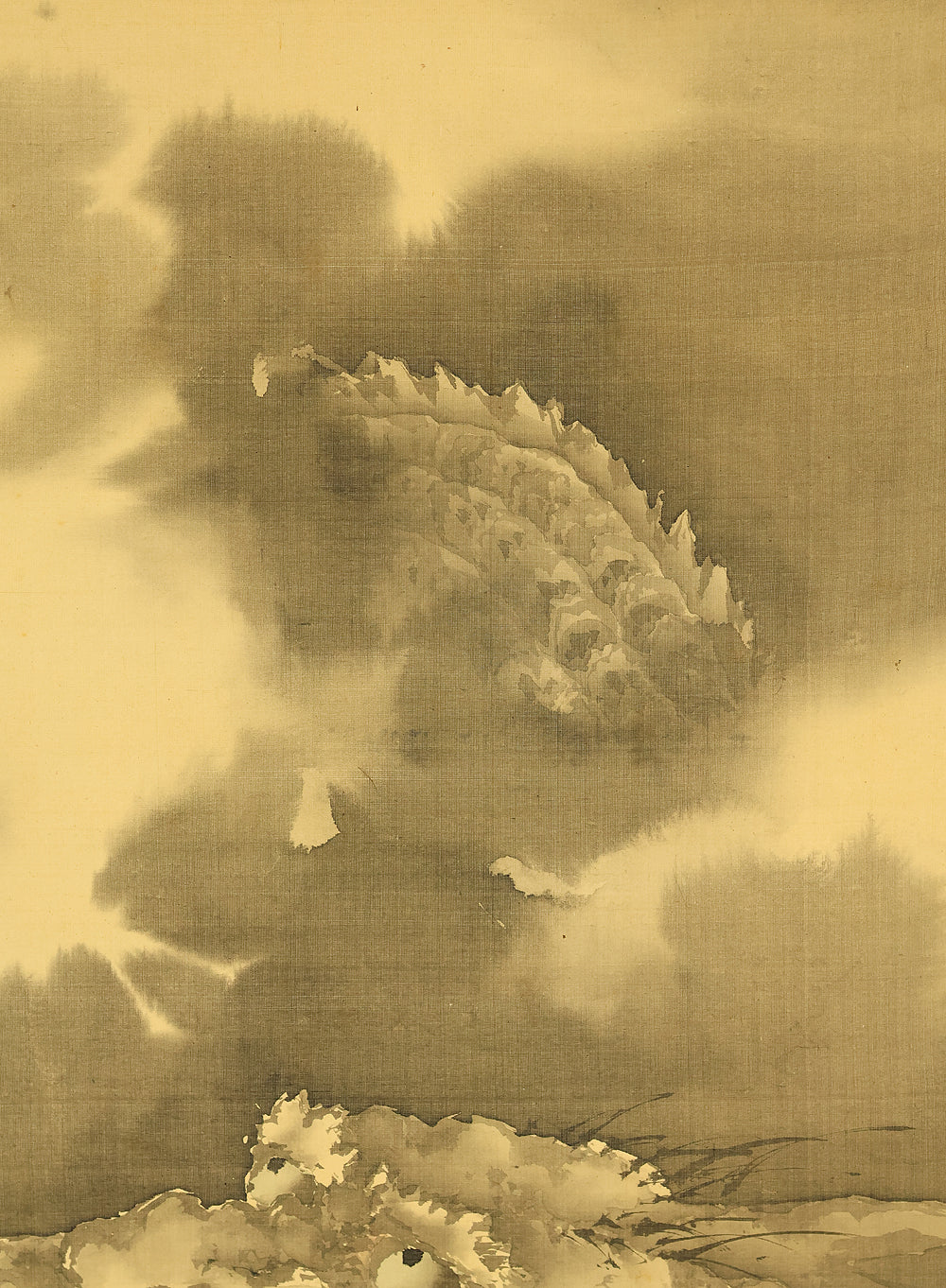
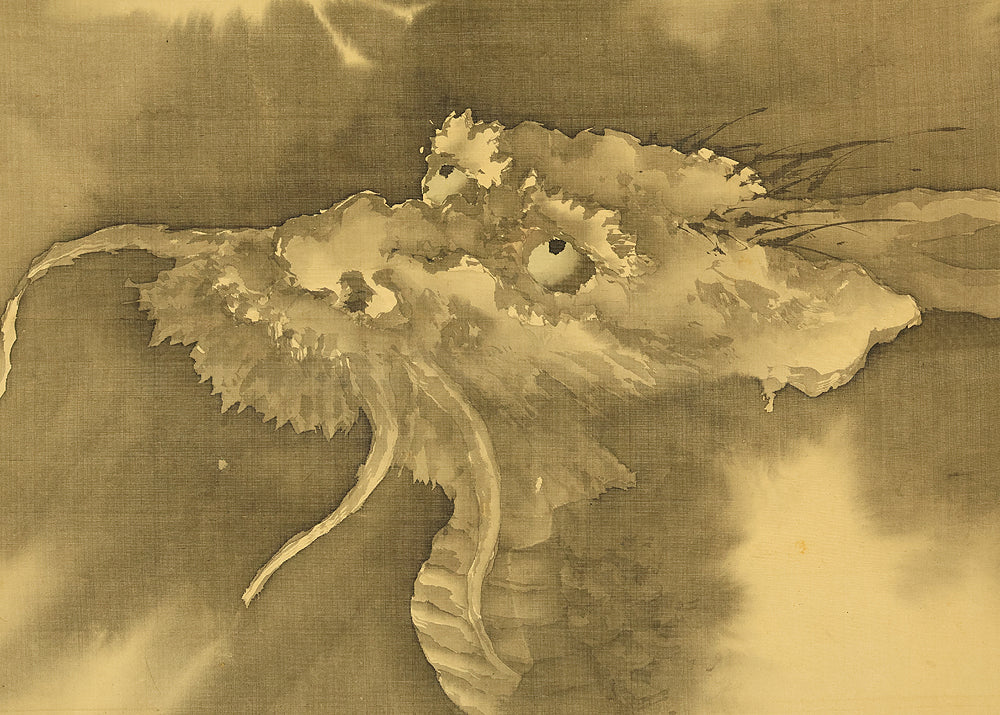
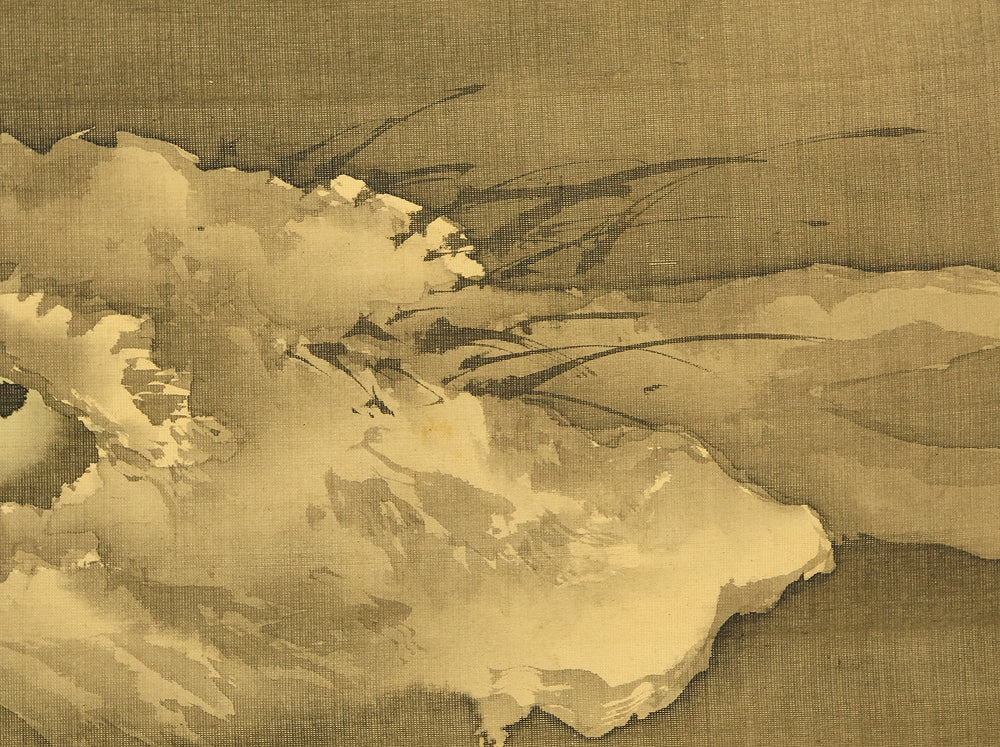
- The dragon symbolizes power, wisdom, and celestial protection, often associated with water and the heavens.
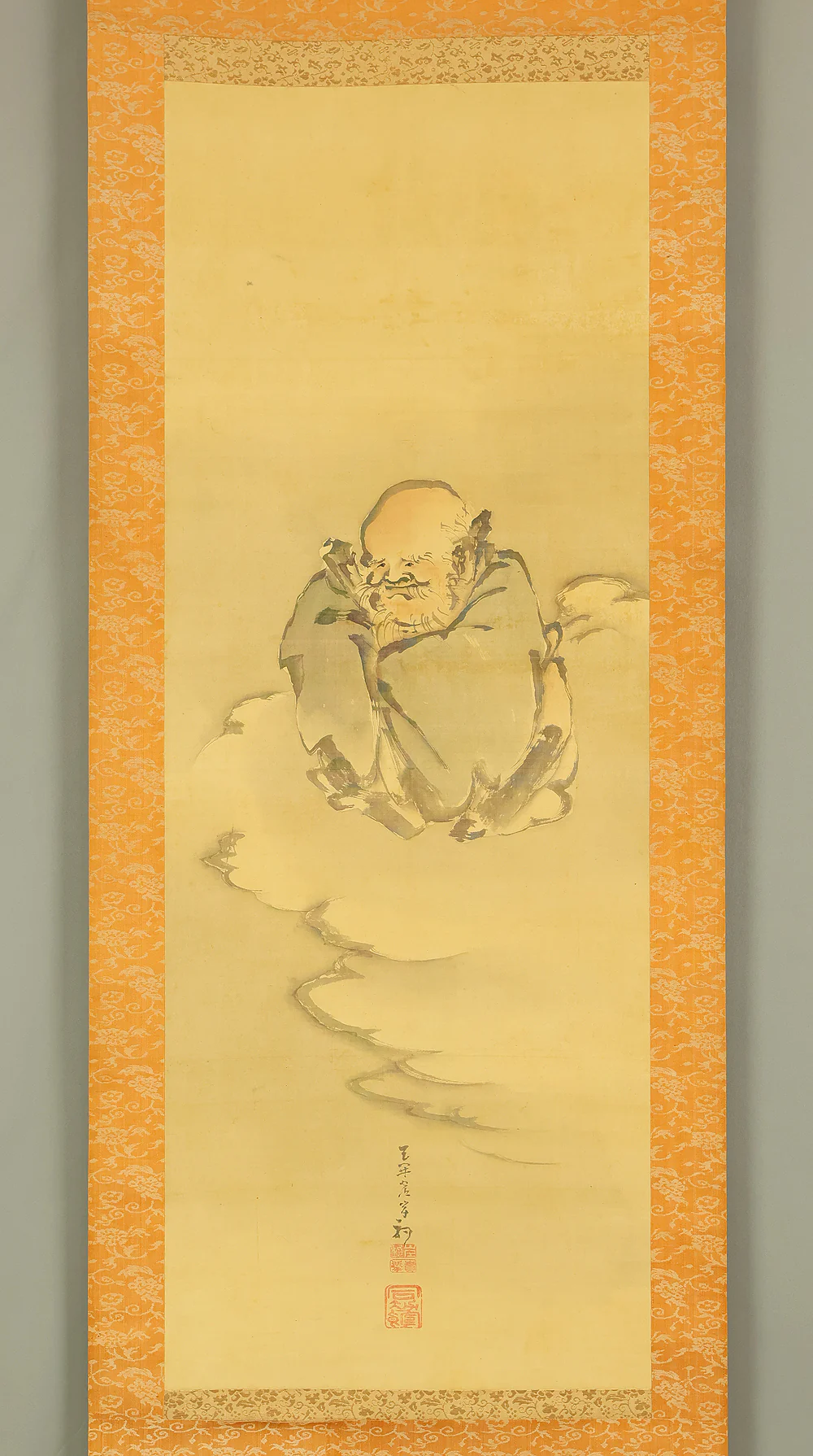
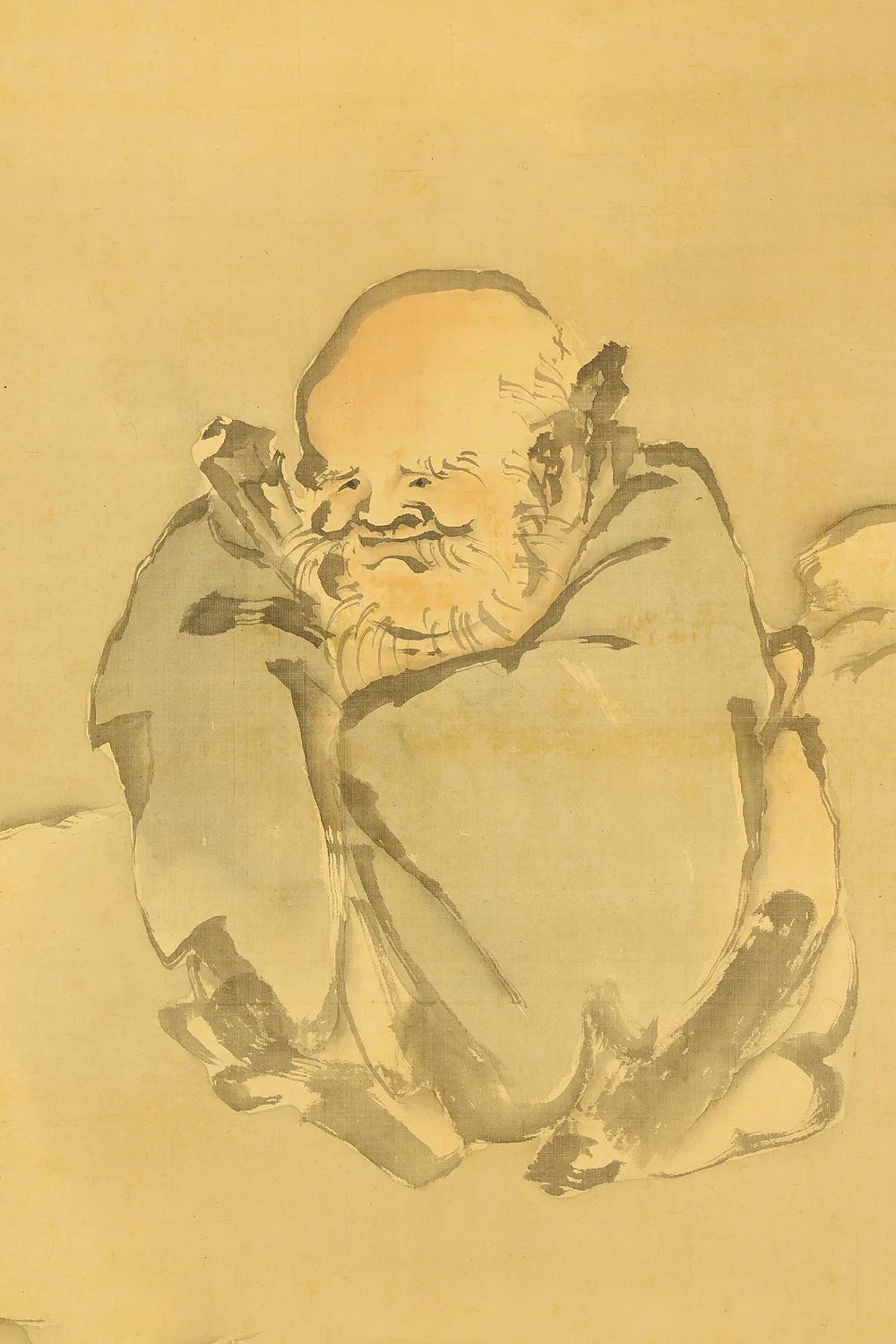
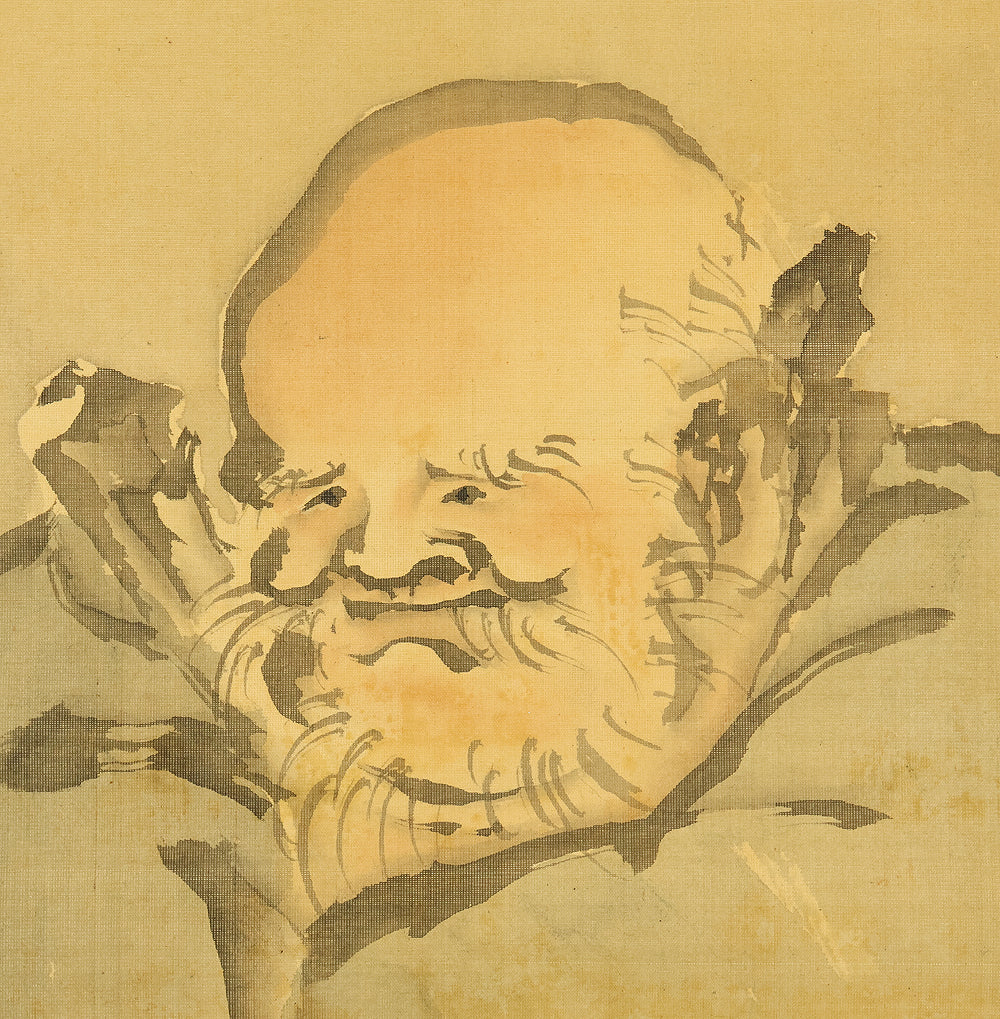
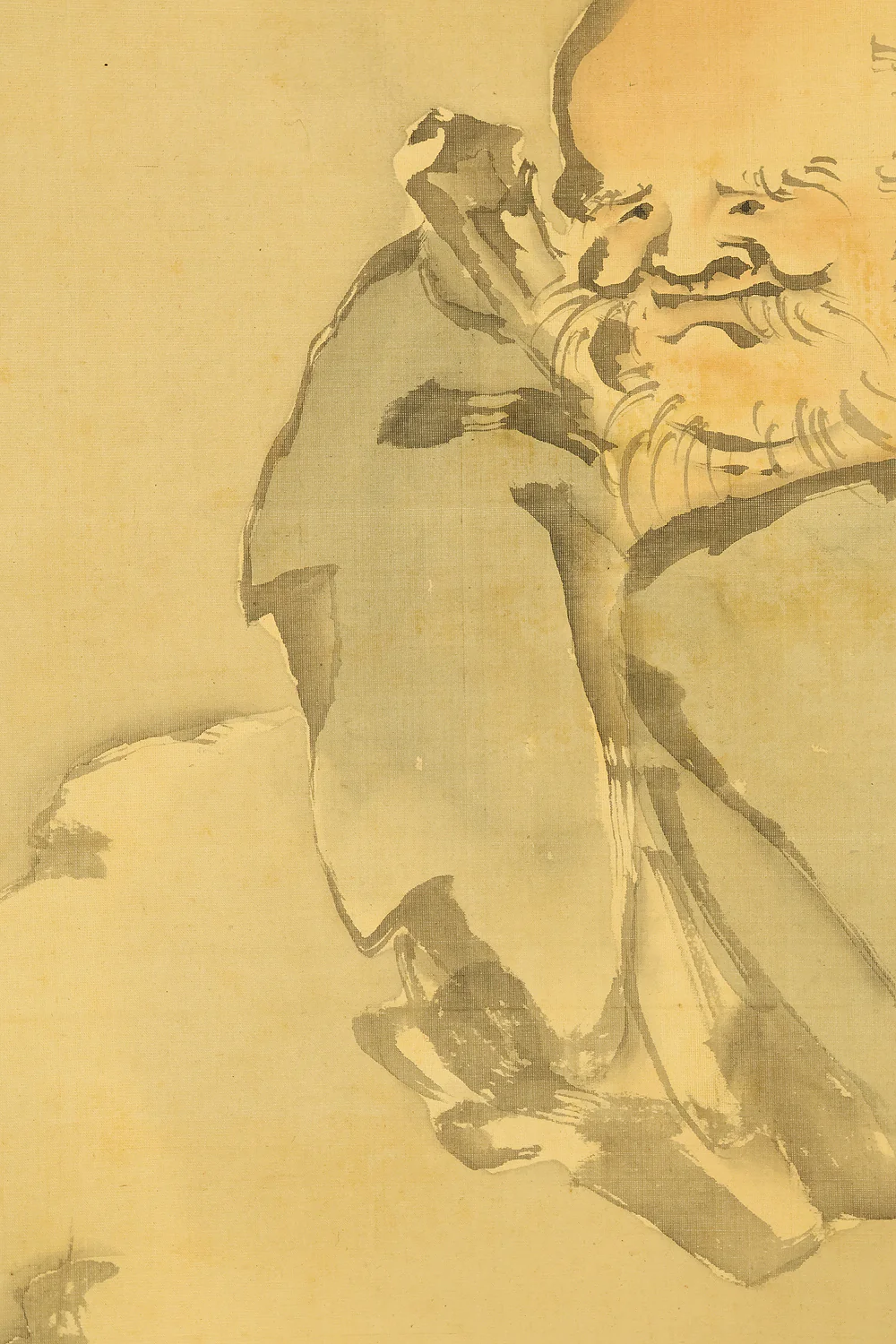
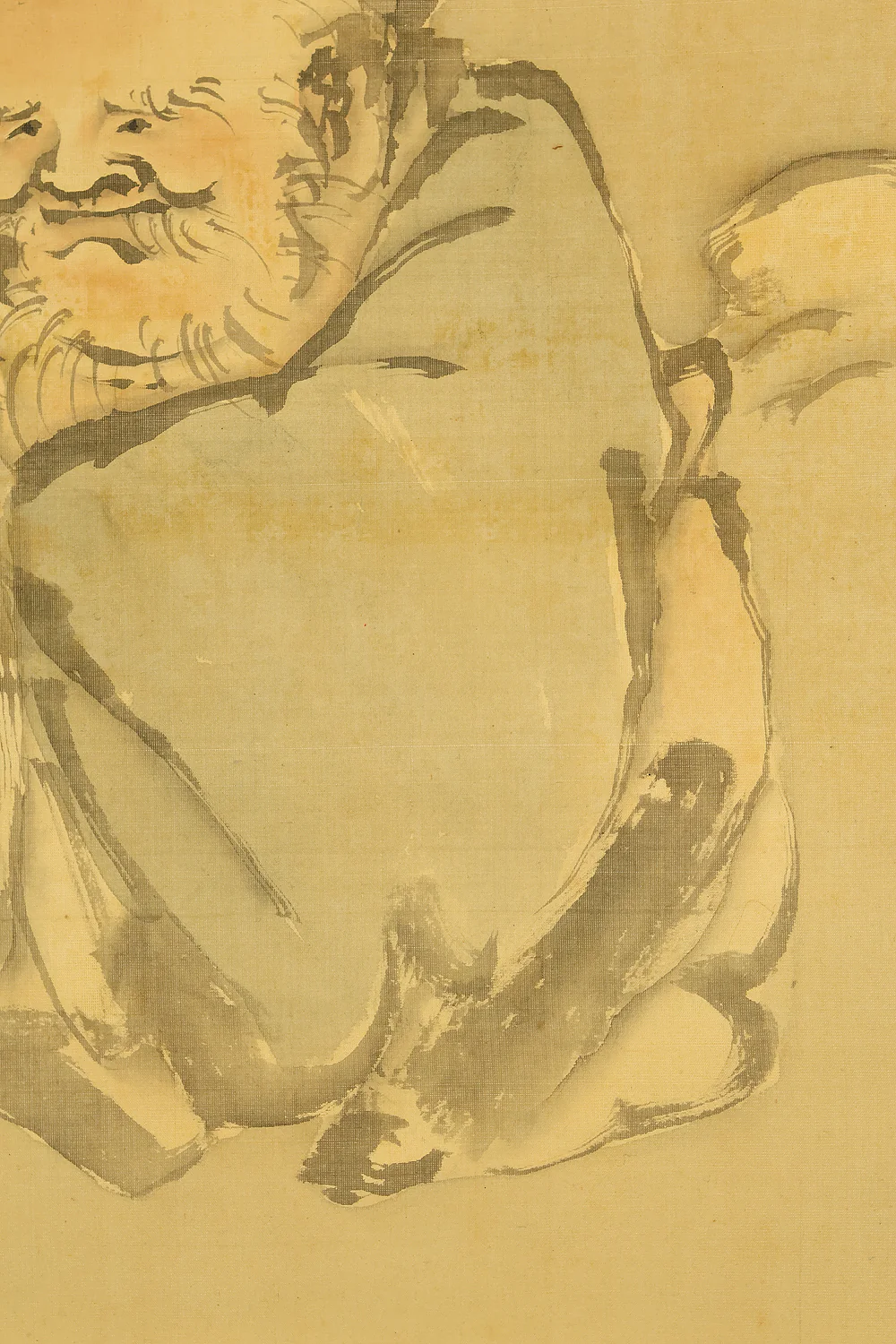
- Jurōjin, depicted seated on clouds with a staff and scroll, represents longevity, benevolence, and Taoist immortality.
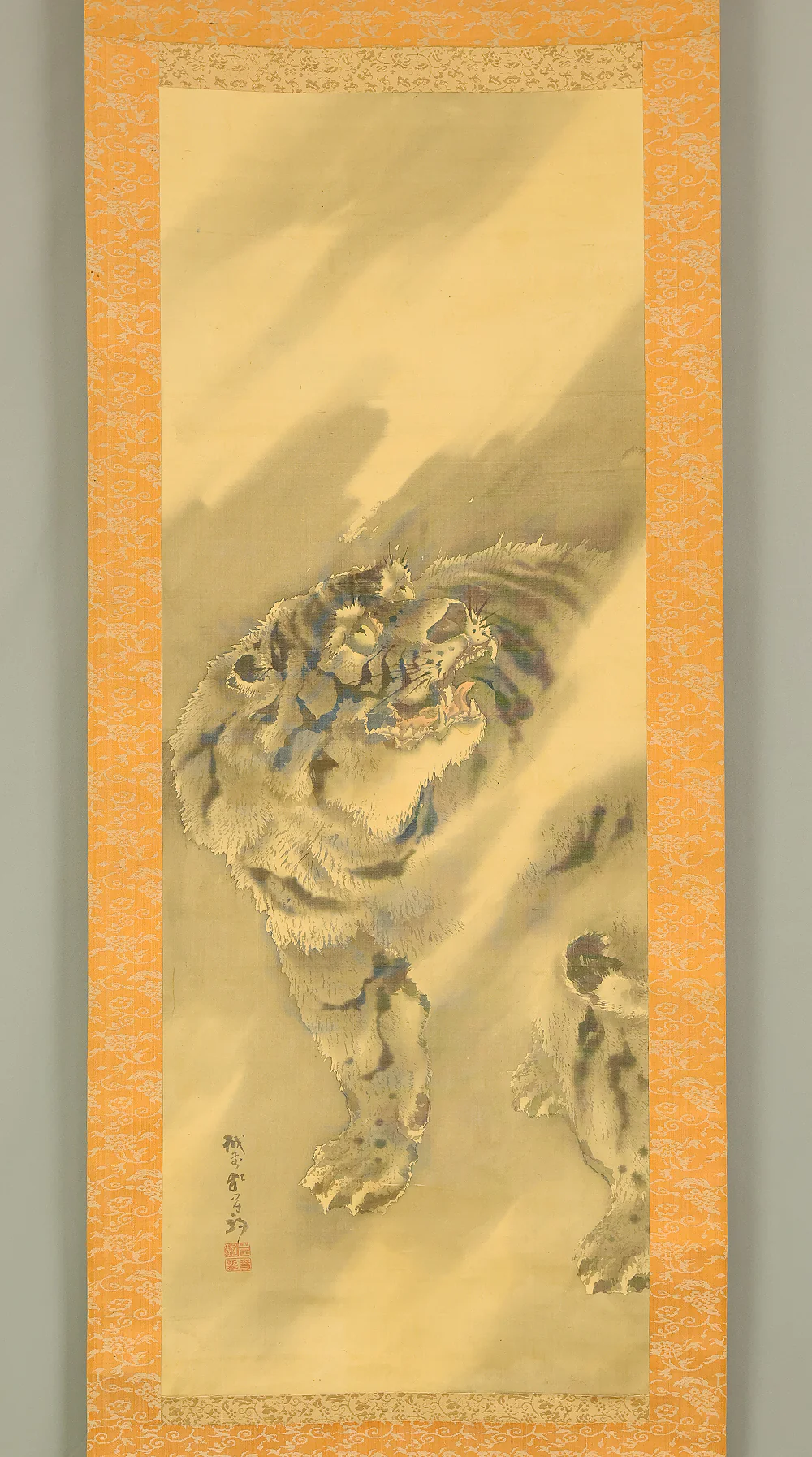
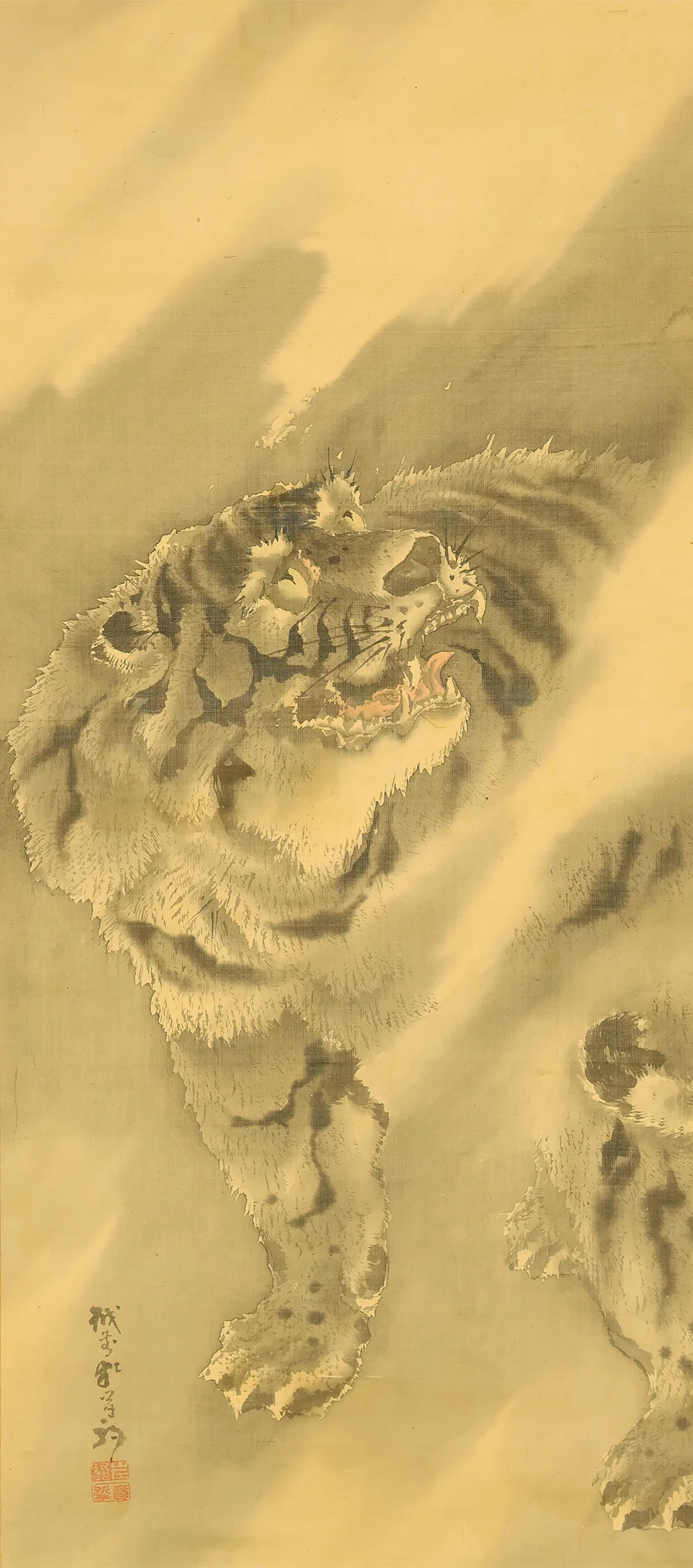
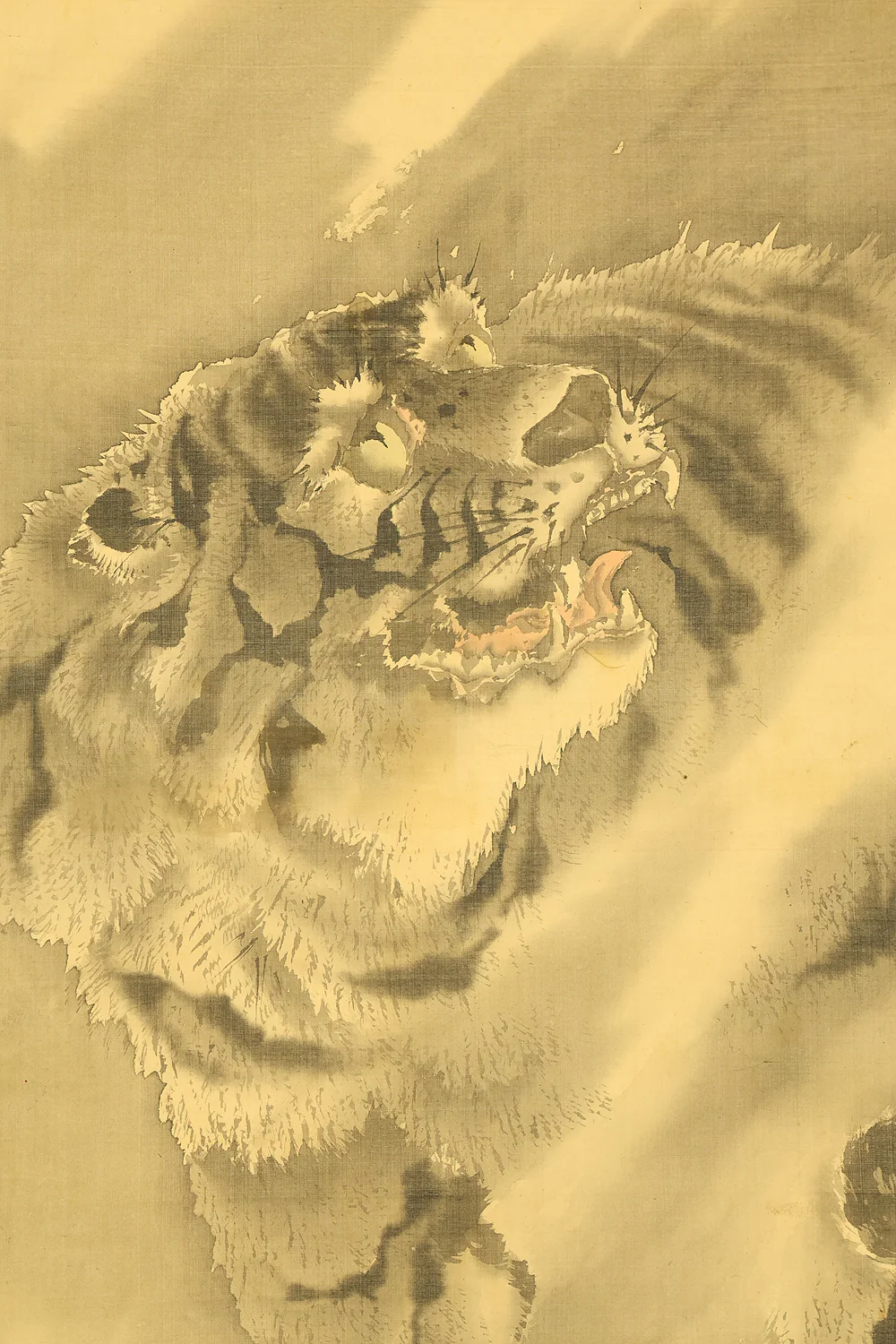
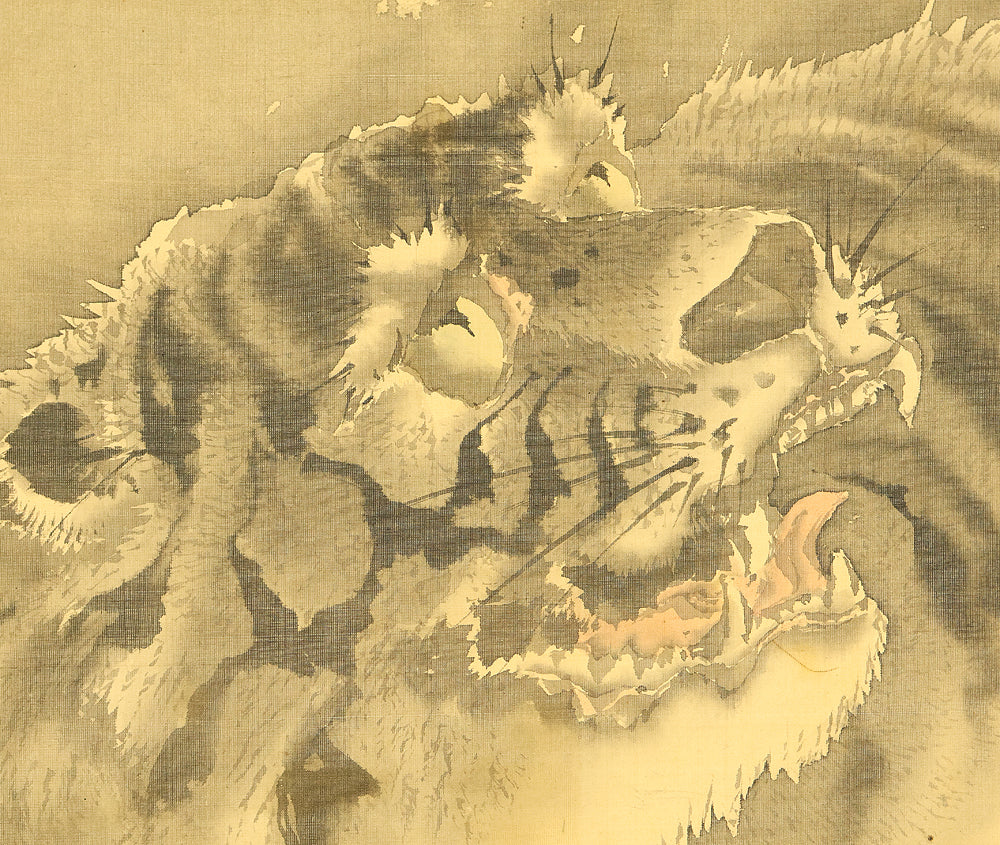
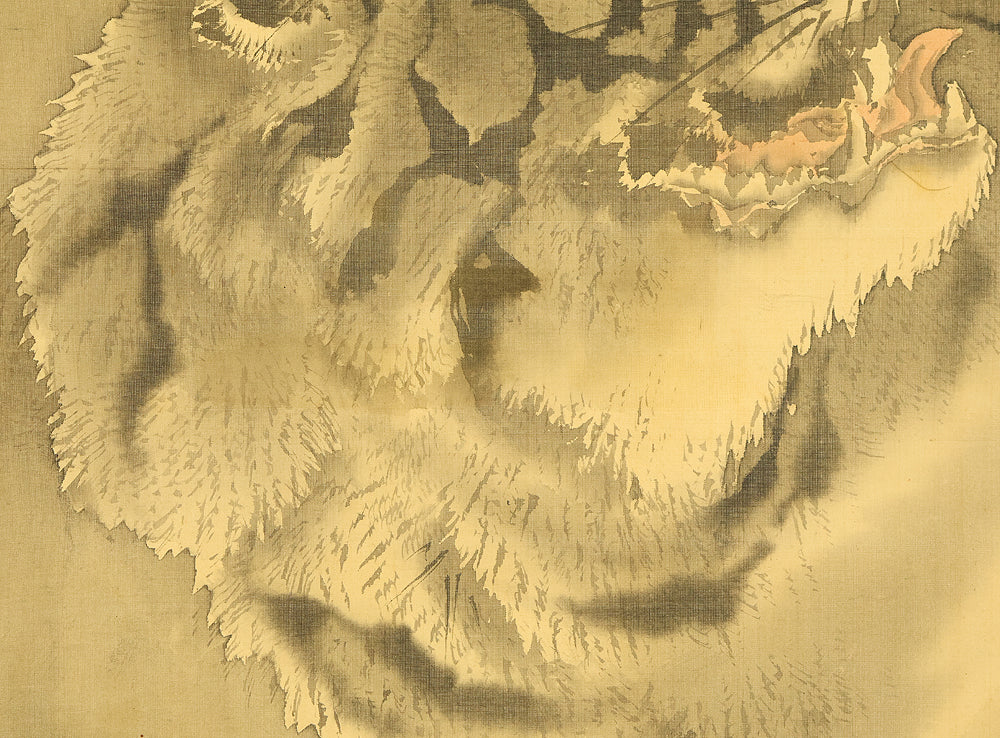
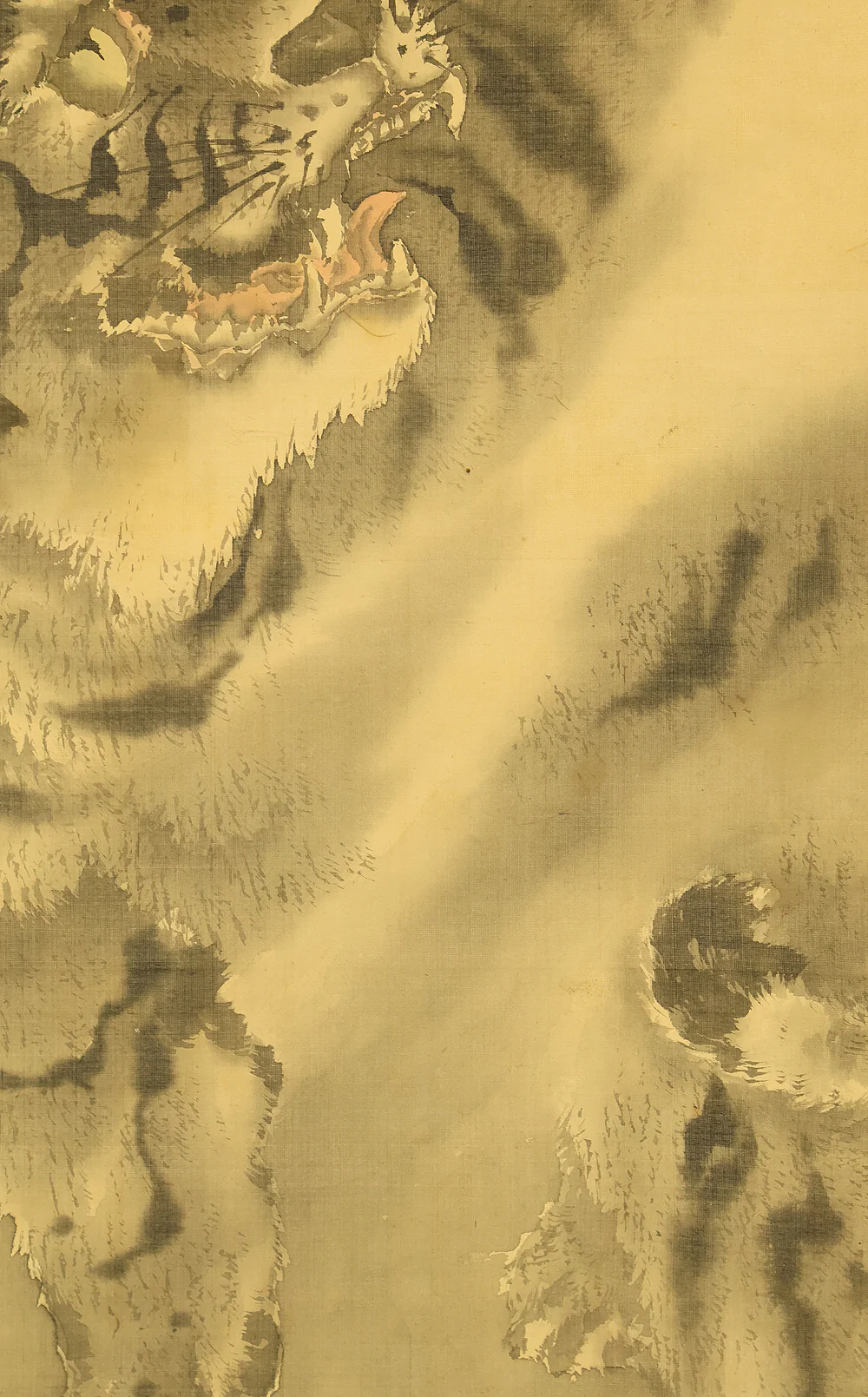
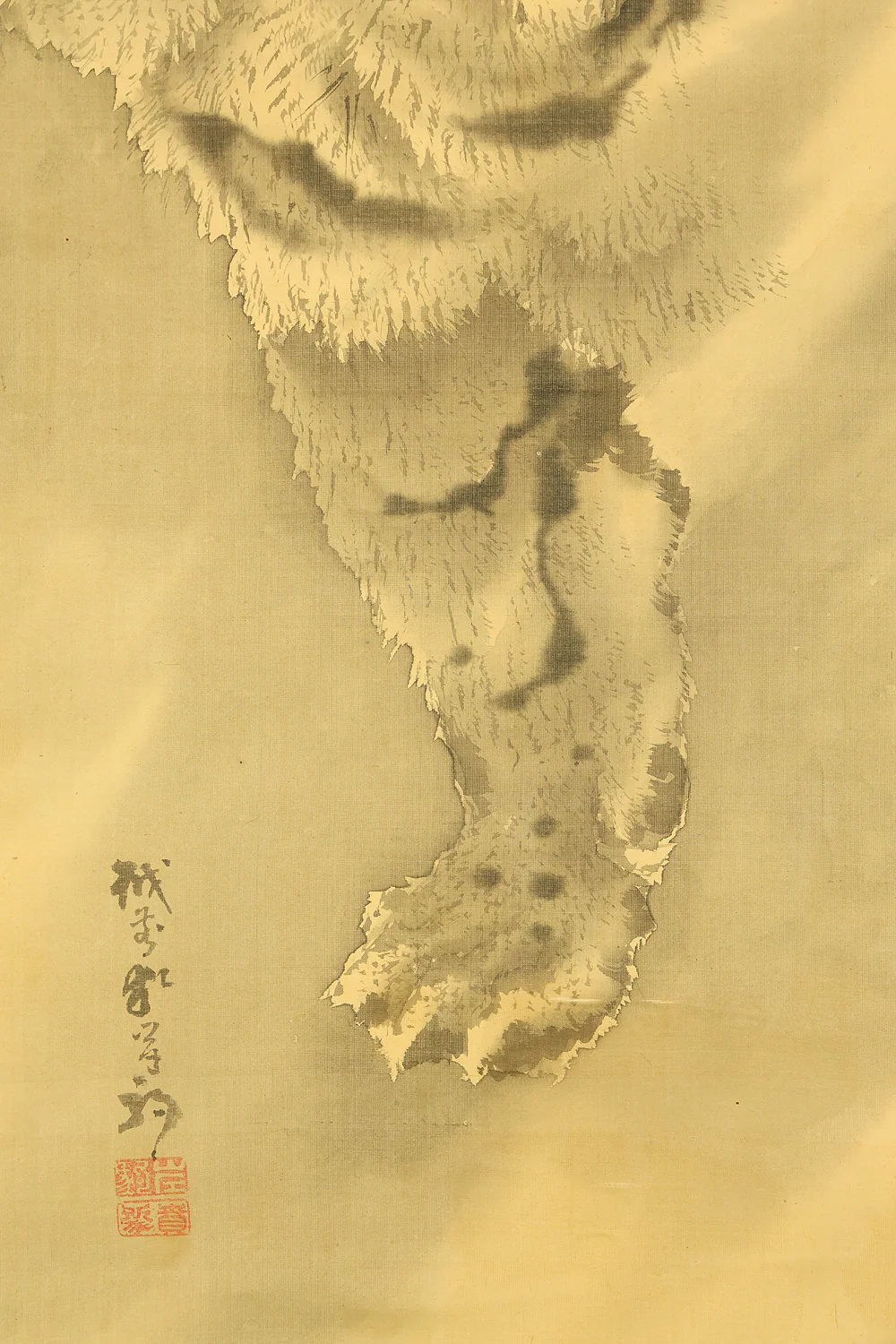
- The tiger, painted in motion with fierce expression, embodies courage, strength, and earthly guardianship.
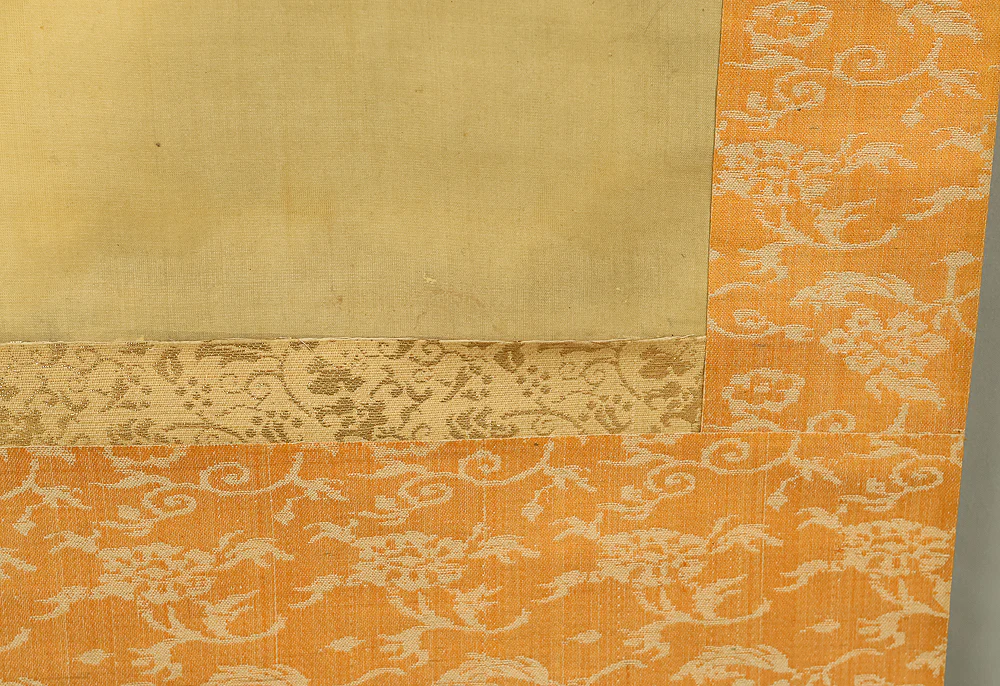
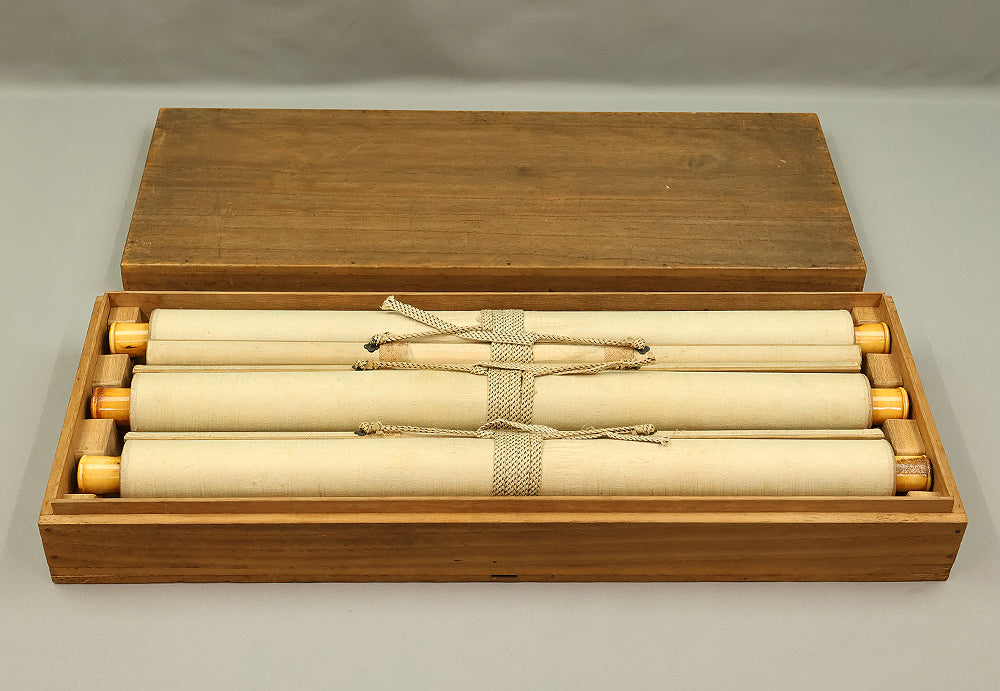
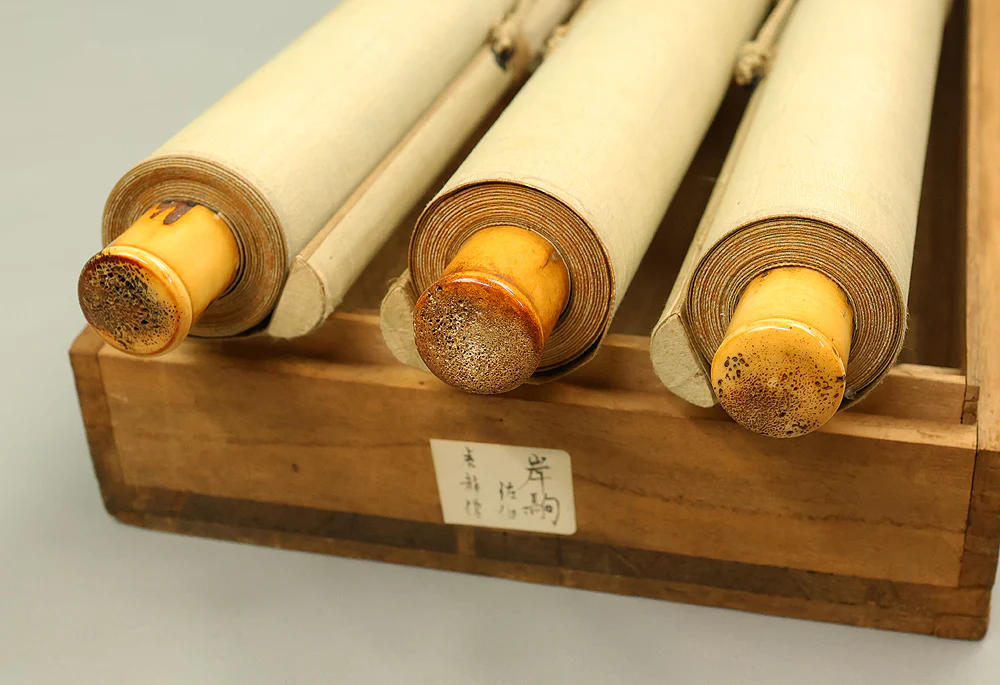
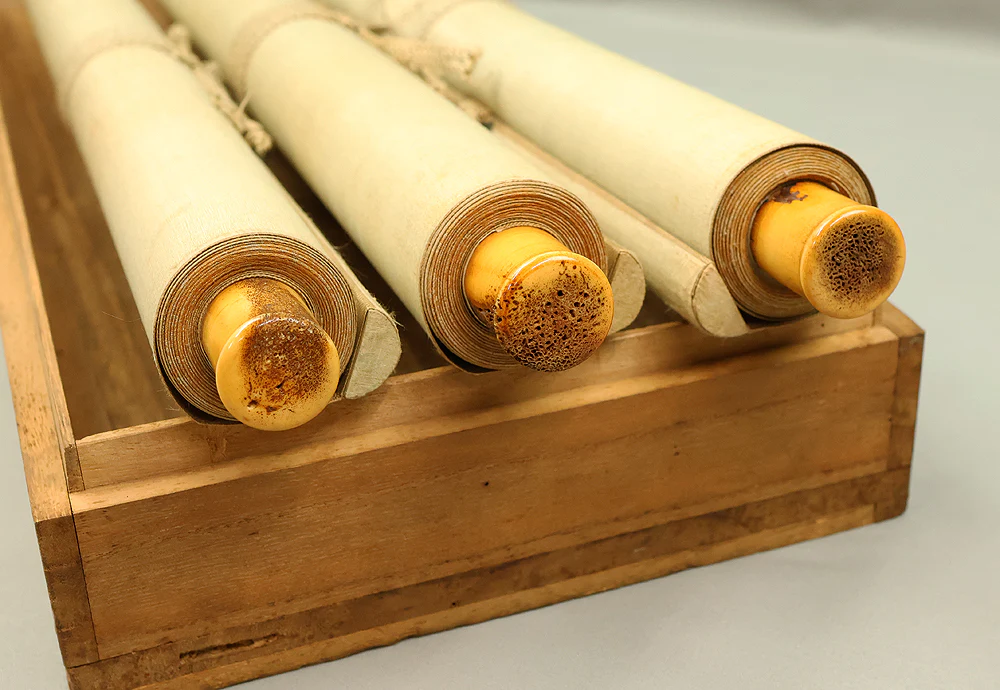
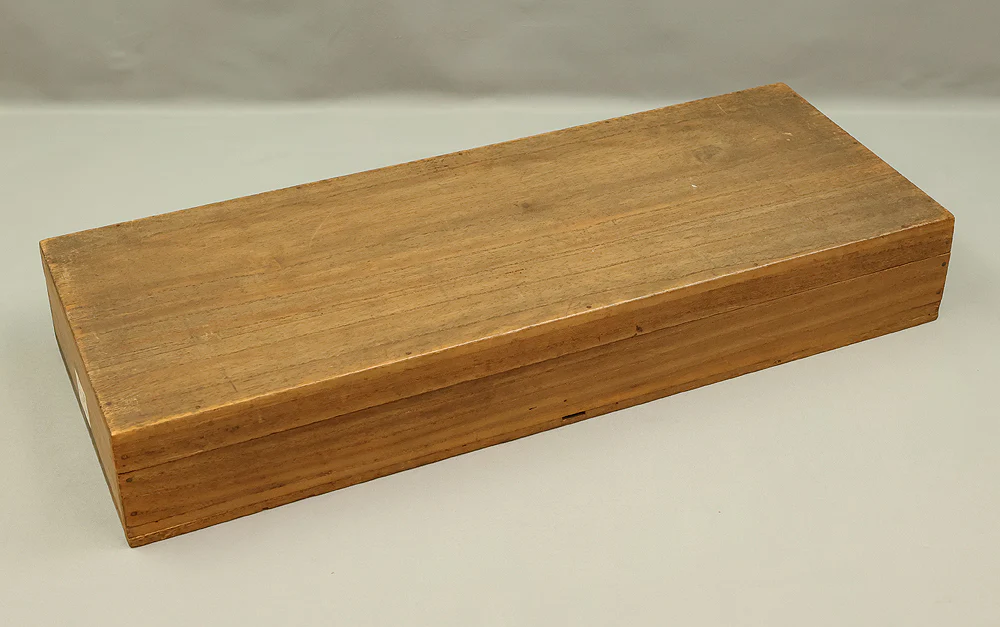
Together, these motifs form a harmonious and auspicious triad, blending spiritual symbolism with natural vitality. The scrolls are mounted with antler finials, a rare and prestigious material, and come with a custom-fitted storage box (awasebako), ensuring preservation. Ideal for collectors of Edo-period art, animal symbolism, or Japanese spiritual iconography, this triptych offers both aesthetic impact and cultural depth.
Whole dimensions: 20.5" W x 71.2" H / 52.3cm x 181.1cm
Inside dimensions: 14.1" W x 37.9" H / 35.9cm x 96.4cm
Material: Silk
Technique: Handpainted
Roller ends: Deer Horn
Weight: 1960g including Box
Condition
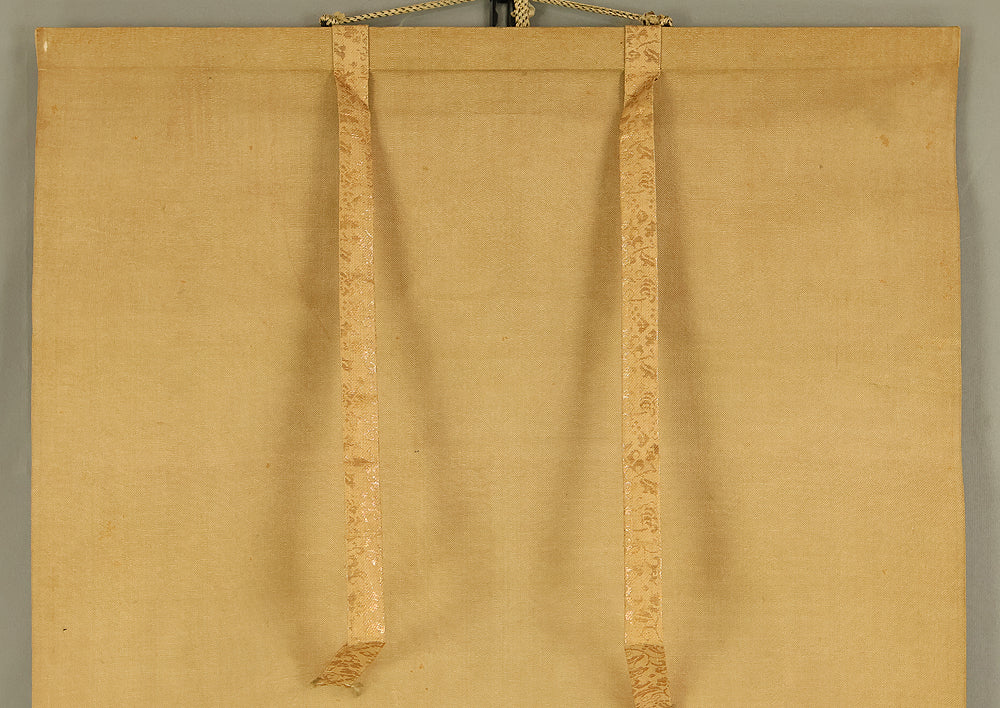
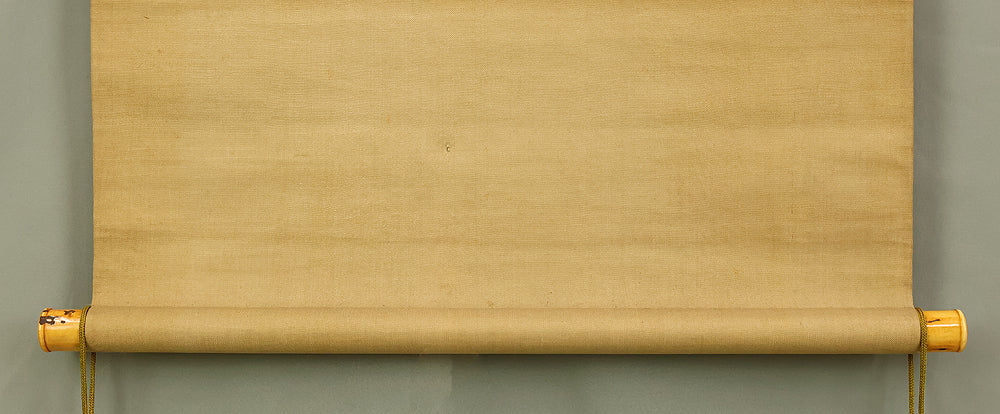
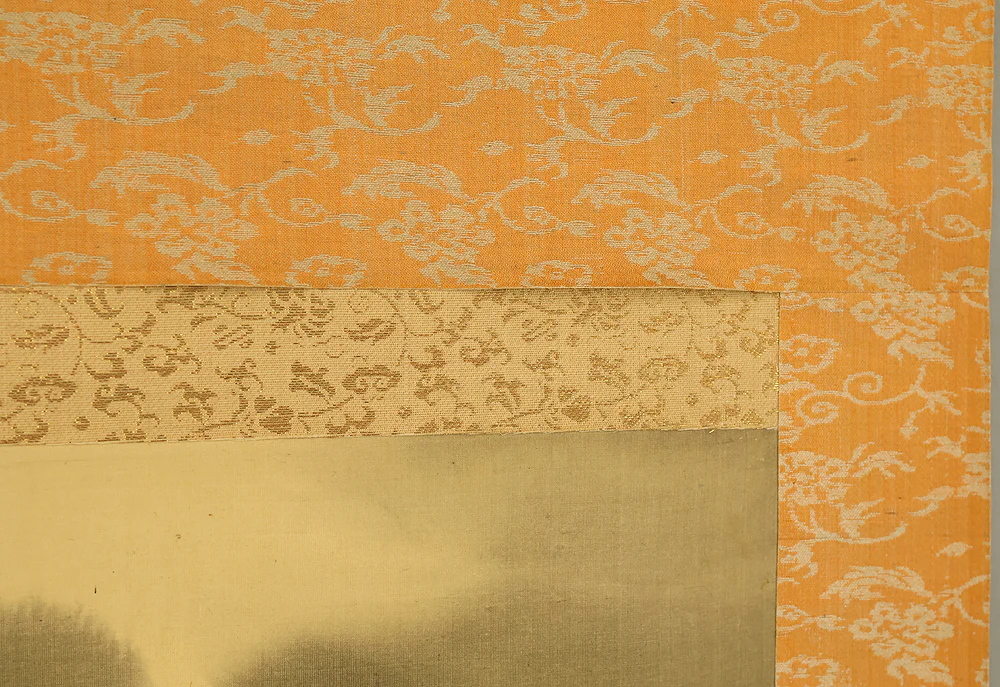
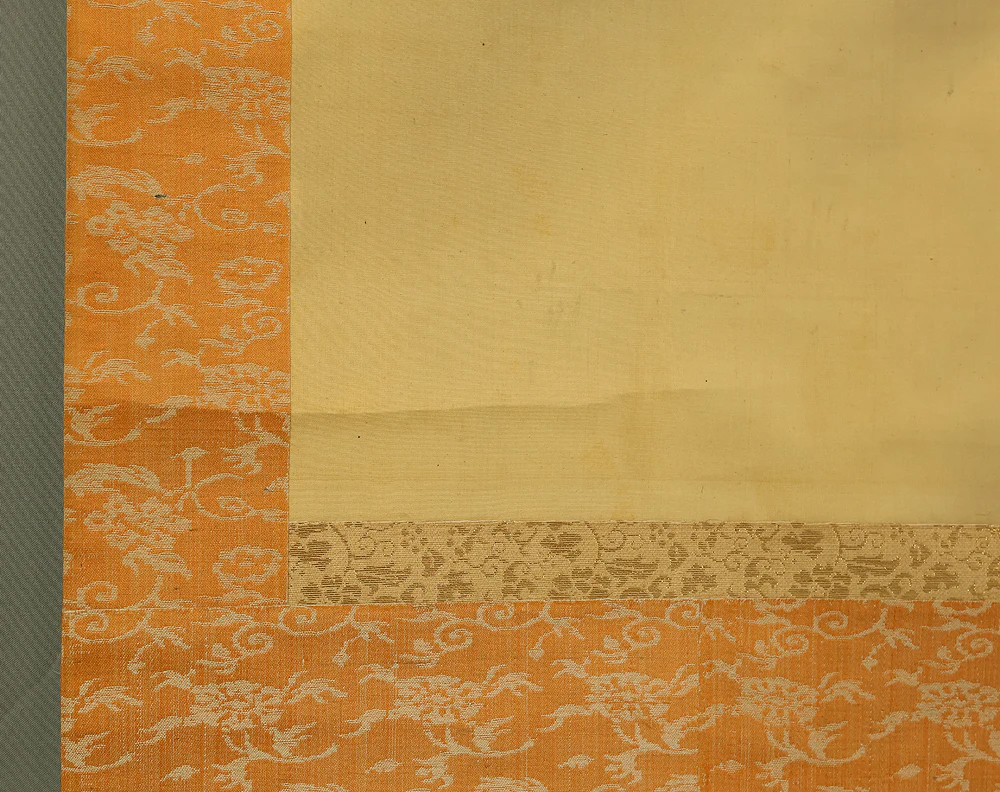
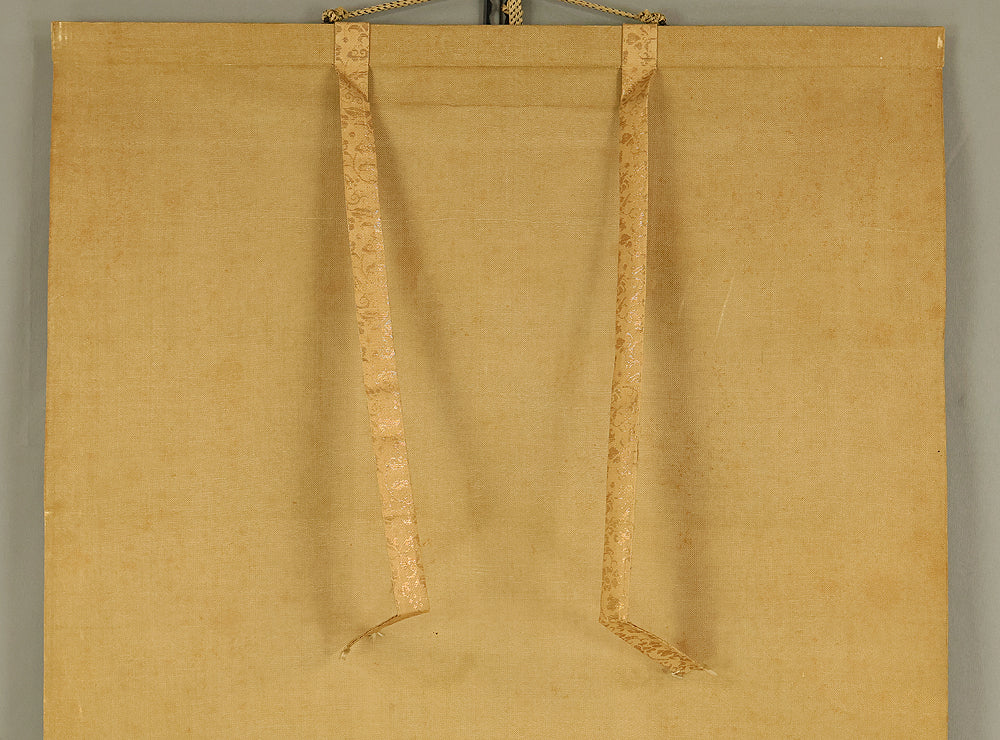
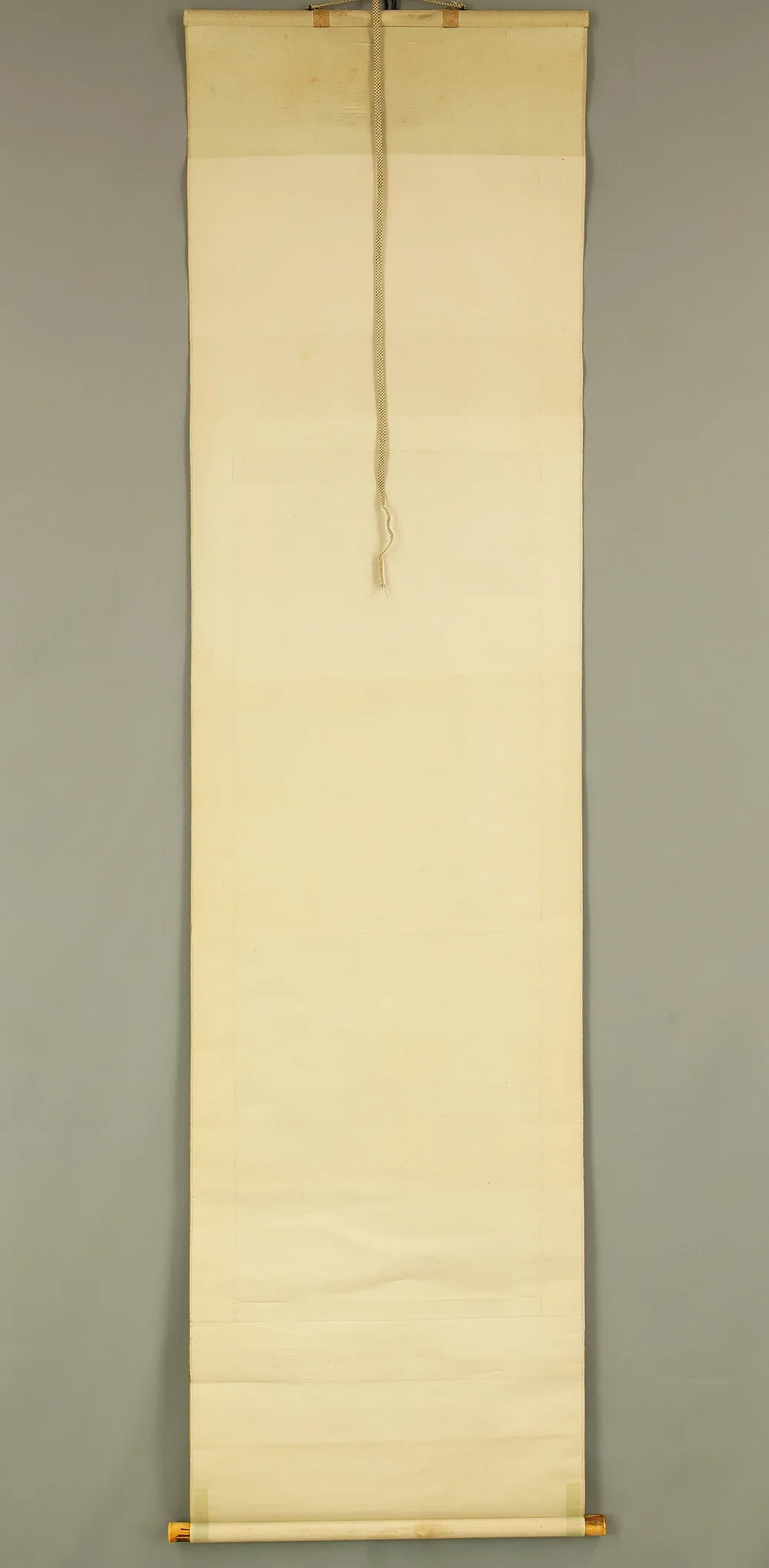
Antique items have originally crease, stain, damage, and more. I would like you to refer to the listing photos, but please understand that it's difficult to show all conditions by the photos. Special notes: STAIN, CREASE a little, DAMAGE a little, FOLD, WARP, STAIN DAMAGE in the back of the mounting.
About the colors of the photos
The color of the actual item may look different from the picture because of the lighting. The color on a photo can differ because of light, screen settings, personal color perception, etc. Please understand that we can't control the varying light in different environments. Please read the description, check the actual photos, and ask questions if doubts in advance.
Shipping
"FREE SHIPPING" all over the world by International ePacket Light, EMS, or DHL.
Details & Craftsmanship
Every detail has been carefully considered to bring you the perfect product.
Details & Craftsmanship
Every detail has been carefully considered to bring you the perfect product.
Details & Craftsmanship
Every detail has been carefully considered to bring you the perfect product.
Details & Craftsmanship
Every detail has been carefully considered to bring you the perfect product.
Details & Craftsmanship
Every detail has been carefully considered to bring you the perfect product.
Details & Craftsmanship
Every detail has been carefully considered to bring you the perfect product.
Details & Craftsmanship
Every detail has been carefully considered to bring you the perfect product.
Details & Craftsmanship
Every detail has been carefully considered to bring you the perfect product.
Details & Craftsmanship
Every detail has been carefully considered to bring you the perfect product.
Details & Craftsmanship
Every detail has been carefully considered to bring you the perfect product.
Details & Craftsmanship
Every detail has been carefully considered to bring you the perfect product.
Details & Craftsmanship
Every detail has been carefully considered to bring you the perfect product.
Details & Craftsmanship
Every detail has been carefully considered to bring you the perfect product.

Details & Craftsmanship
Every detail has been carefully considered to bring you the perfect product.
Details & Craftsmanship
Every detail has been carefully considered to bring you the perfect product.
Details & Craftsmanship
Every detail has been carefully considered to bring you the perfect product.
Details & Craftsmanship
Every detail has been carefully considered to bring you the perfect product.
Details & Craftsmanship
Every detail has been carefully considered to bring you the perfect product.
Details & Craftsmanship
Every detail has been carefully considered to bring you the perfect product.
Details & Craftsmanship
Every detail has been carefully considered to bring you the perfect product.
Details & Craftsmanship
Every detail has been carefully considered to bring you the perfect product.
Details & Craftsmanship
Every detail has been carefully considered to bring you the perfect product.
Details & Craftsmanship
Every detail has been carefully considered to bring you the perfect product.

Details & Craftsmanship
Every detail has been carefully considered to bring you the perfect product.
Details & Craftsmanship
Every detail has been carefully considered to bring you the perfect product.
Details & Craftsmanship
Every detail has been carefully considered to bring you the perfect product.
Details & Craftsmanship
Every detail has been carefully considered to bring you the perfect product.
Details & Craftsmanship
Every detail has been carefully considered to bring you the perfect product.
Details & Craftsmanship
Every detail has been carefully considered to bring you the perfect product.
Details & Craftsmanship
Every detail has been carefully considered to bring you the perfect product.
Details & Craftsmanship
Every detail has been carefully considered to bring you the perfect product.
Details & Craftsmanship
Every detail has been carefully considered to bring you the perfect product.
Details & Craftsmanship
Every detail has been carefully considered to bring you the perfect product.
Details & Craftsmanship
Every detail has been carefully considered to bring you the perfect product.
Details & Craftsmanship
Every detail has been carefully considered to bring you the perfect product.

Details & Craftsmanship
Every detail has been carefully considered to bring you the perfect product.
Details & Craftsmanship
Every detail has been carefully considered to bring you the perfect product.
Details & Craftsmanship
Every detail has been carefully considered to bring you the perfect product.
Details & Craftsmanship
Every detail has been carefully considered to bring you the perfect product.
Details & Craftsmanship
Every detail has been carefully considered to bring you the perfect product.
Details & Craftsmanship
Every detail has been carefully considered to bring you the perfect product.
Details & Craftsmanship
Every detail has been carefully considered to bring you the perfect product.
Description
Description
岸駒 Ganku (1749-1838) Japanese art a set of three kakejiku kakemono wall hanging scrolls / Jurojin (God of longevity), Dragon, and Tiger with Box RD815
岸駒 Ganku (1749-1838)
Painter of the late Edo period. Founder of the Kishi school. Born into a merchant family in Kanazawa, Kaga. Because he was poor, he learned to write characters from the signboards of the merchant's house and also learned to paint by himself. He first studied painting in the Kano school and later taught himself the styles of the Shin-Nanpin and Maruyama schools. He blended the painting styles of the various schools to create a fusion of expressiveness and ornamentation and developed his own unique style of sketchy painting with a strong sense of humor. He was especially good at depicting birds and animals, especially tigers. He painted the walls of the Imperial Palace in Kyoto and Kanazawa Castle. He formed the Kishi School and trained many students.
with signature 'Echizen no kami Ganku' 越前守岸駒 and seal 'Ganku' 岸駒 'Hizen' 賁然
This exceptional set of three Japanese hanging scrolls (triptych) features dynamic ink paintings of a dragon, Jurōjin (the god of longevity), and a tiger, masterfully rendered by Ganku (岸駒, 1749–1838), one of the most celebrated painters of the Edo period. Known for his bold brushwork and lifelike animal depictions, Ganku was a court painter and founder of the Kishi school.
- The dragon symbolizes power, wisdom, and celestial protection, often associated with water and the heavens.
- Jurōjin, depicted seated on clouds with a staff and scroll, represents longevity, benevolence, and Taoist immortality.
- The tiger, painted in motion with fierce expression, embodies courage, strength, and earthly guardianship.
Together, these motifs form a harmonious and auspicious triad, blending spiritual symbolism with natural vitality. The scrolls are mounted with antler finials, a rare and prestigious material, and come with a custom-fitted storage box (awasebako), ensuring preservation. Ideal for collectors of Edo-period art, animal symbolism, or Japanese spiritual iconography, this triptych offers both aesthetic impact and cultural depth.
Whole dimensions: 20.5" W x 71.2" H / 52.3cm x 181.1cm
Inside dimensions: 14.1" W x 37.9" H / 35.9cm x 96.4cm
Material: Silk
Technique: Handpainted
Roller ends: Deer Horn
Weight: 1960g including Box
Condition
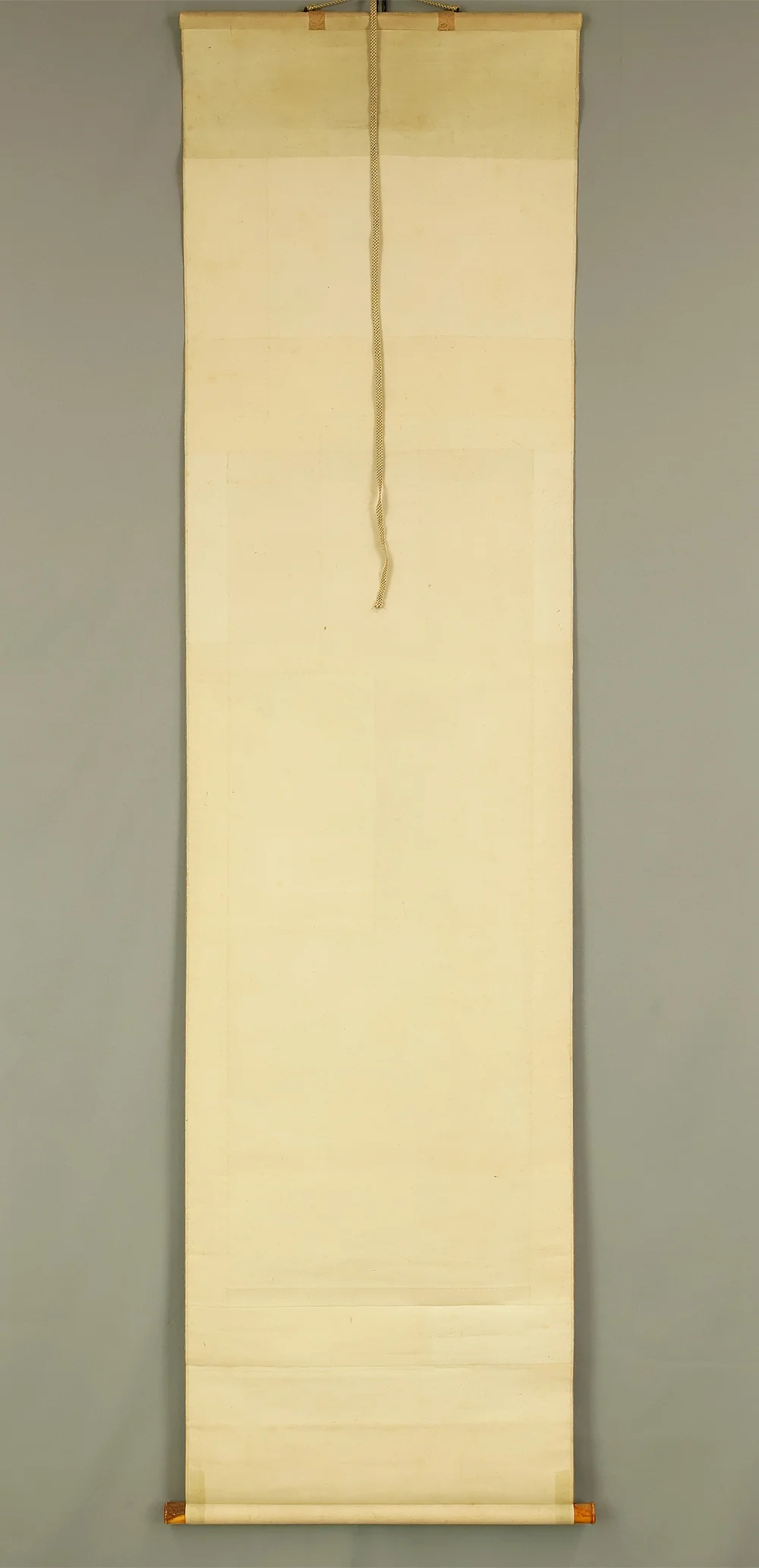
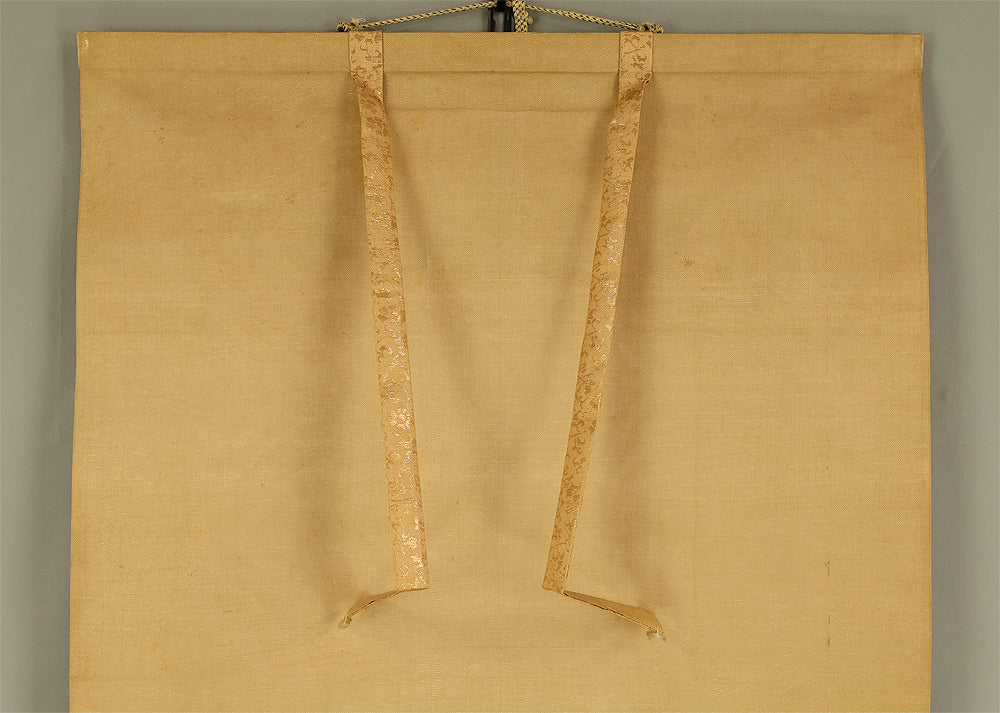
Antique items have originally crease, stain, damage, and more. I would like you to refer to the listing photos, but please understand that it's difficult to show all conditions by the photos. Special notes: STAIN, CREASE a little, DAMAGE a little, FOLD, WARP, STAIN DAMAGE in the back of the mounting.
About the colors of the photos
The color of the actual item may look different from the picture because of the lighting. The color on a photo can differ because of light, screen settings, personal color perception, etc. Please understand that we can't control the varying light in different environments. Please read the description, check the actual photos, and ask questions if doubts in advance.
Shipping
"FREE SHIPPING" all over the world by International ePacket Light, EMS, or DHL.